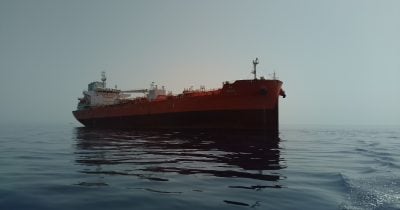
The US military fired missiles at an LPG tanker suspected of hauling Iranian gas, escalating tensions in a waterway where shipping traffic already hangs in the balance. The strike, confirmed by defense officials, targeted the vessel in international waters but within the broader maritime corridor that includes the Strait of Hormuz. A prediction market now puts the probability of normal traffic in the strait by September 30 at just 21.5%.
The tanker and the strike
Details on the tanker itself remain sparse. Investigators haven't released the vessel's name, flag, or crew information. What's known is that the US military identified the ship as an LPG — liquefied petroleum gas — carrier and judged it likely to be moving Iranian gas, a commodity already subject to sanctions. Missiles struck the ship, but there's no word yet on casualties or damage. The military described the operation as a response to ongoing threats in the region, though it didn't specify what triggered the strike.
The action fits a pattern of US interdictions on vessels suspected of ferrying Iranian oil and gas, but hitting a moving tanker with missiles is less common than boarding or inspection. That escalation signals how much the calculus has shifted around Hormuz, where one fifth of the world's oil passes each day.
Market odds on Hormuz reopening
PolyMarket, a decentralized prediction market, currently shows a 21.5% chance that the Strait of Hormuz will see "normal traffic levels" by the end of September. That's not a forecast from analysts or a government agency — it's the aggregate bet of traders putting real money on the outcome. The low probability suggests the market expects disruption to persist, if not worsen, through the autumn.
Normal traffic in this context means the strait is open and operating at typical capacity, without heightened naval presence, blockades, or rerouting. The 21.5% figure implies an 78.5% chance that conditions remain abnormal or that new events — like this missile strike — keep the strait in a crisis mode.
What happens next
The unresolved question is whether the tanker was indeed carrying Iranian gas. No independent verification has emerged, and Iran hasn't commented on the strike. If confirmed, it could trigger retaliation or further disruption. If not, the US military may face questions about targeting without certainty.
The next tangible deadline is September 30, when the prediction market's contract settles. By then, traders will know if traffic normalized — or if the strait remains a flashpoint. For now, the missiles have been fired, and the market is betting the waterway won't calm down anytime soon.