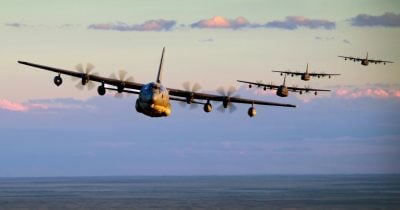
The United States military carried out defensive strikes in southern Iran on Thursday, targeting what officials described as immediate threats. The operation comes as tensions between Washington and Tehran have been climbing for weeks, with both sides trading warnings and deploying assets to the region. The strikes could now push the already volatile situation closer to open conflict.
Why the strikes were ordered
US Central Command said the strikes were defensive in nature, aimed at neutralizing threats that had reached a level the Pentagon deemed unacceptable. While the specific targets were not disclosed, military briefings indicated the operation focused on facilities used by Iranian forces near the coast. The move follows a series of incidents in recent weeks, including drone intercepts and naval confrontations in the Persian Gulf.
The White House released a brief statement affirming the right to self-defense under Article 51 of the UN Charter. No further details were provided on the scope of the operation or the duration of the mission. US officials noted that the strikes were limited in scope and designed to avoid civilian casualties.
What the strikes mean for the region
The strikes risk heightening regional instability. Iran has warned in the past that any attack on its soil would be met with a swift and severe response. Analysts caution that even a limited engagement could spiral into broader hostilities if either side misreads the other's intentions.
Neighboring countries, including Iraq and Saudi Arabia, have called for restraint. The Gulf Cooperation Council issued a statement urging dialogue and warning that the conflict could disrupt oil shipments and trade routes. The United Nations has also voiced concern, with the Secretary-General urging both parties to de-escalate.
For now, the situation remains fluid. The US military has placed additional forces on standby, though officials stress they are not preparing for a wider campaign. Iran's supreme leader has yet to comment publicly, but state media outlets have denounced the strikes as a violation of national sovereignty.
The unresolved question
The strikes come at a moment when diplomatic channels between the US and Iran are all but closed. No envoy has been appointed, and indirect talks have stalled since early this year. It remains unclear whether the two sides can find a way back to negotiations before the situation deteriorates further.
US forces remain in the region, and Iran has not signaled any change in its posture. The coming days will tell whether the strikes were a one-off response or the start of a longer campaign. For now, the world watches for the next move from Tehran.