The US military has redirected 115 vessels as part of a stepped-up blockade enforcement against Iran, a move that could ratchet up tensions between the two countries and send ripples through global oil markets. The operation, confirmed by defense officials, marks a sharp increase in naval patrols aimed at curbing what Washington describes as illicit shipping tied to Tehran.
What the blockade enforcement looks like
US naval forces have been stopping and diverting commercial and tanker vessels in key waterways, particularly near the Strait of Hormuz. The 115 redirected ships represent a significant uptick from previous months, though the military hasn't disclosed how many were boarded or detained. The intensified patrols are part of a broader campaign to enforce sanctions and block Iranian oil exports.
Strain on US-Iran relations
The escalation comes at a delicate time. Iran has already warned that any disruption to its shipping would be met with retaliation. The new enforcement could push already frayed diplomatic channels closer to a breaking point. While no direct clashes have been reported, analysts note that each vessel stop carries the risk of a miscalculation at sea.
Impact on oil markets and regional stability
The blockade is expected to squeeze global oil supplies, particularly if major tanker routes through the Persian Gulf are disrupted. Oil prices have already edged higher on the news, though the full effect may take weeks to materialize. Beyond economics, the move could destabilize an already volatile region. Gulf states, many of which rely on the same shipping lanes, are watching closely. The US says the goal is to enforce sanctions, but critics argue it risks a broader conflict.
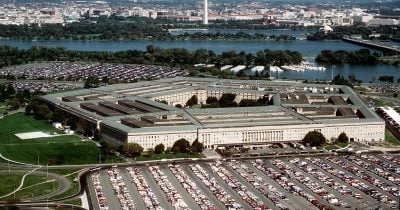
The Pentagon hasn't said how long the intensified operations will last, nor has it released details on the nationalities of the redirected vessels or any cargo seized. Iran has yet to issue a formal response, but its military has conducted its own drills in the region in recent days. The unanswered question is whether both sides can avoid a direct confrontation as the number of intercepted ships continues to climb.