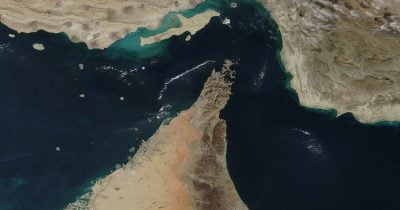
The United States and Gulf states have pushed back against Iran's demand for a fee to transit the Strait of Hormuz. They are insisting the waterway be reopened and security guarantees be in place before any discussion of payments.
The demand for a fee
Iran had proposed charging vessels for passage through the strait, a narrow channel that handles about a fifth of the world's oil supply. The move was seen as an attempt to leverage control over one of the most strategic maritime chokepoints. But the US and its Gulf partners rejected the idea outright, arguing that international law guarantees freedom of navigation.
Reopening and security guarantees
Instead, the coalition is demanding that Iran first allow the strait to resume normal operations. They also want concrete security guarantees to prevent future disruptions. The standoff highlights the deep geopolitical tensions in the region, where Iran has previously threatened to block the waterway in response to sanctions or military pressure.
Impact on energy markets
The dispute is already rippling through global energy markets. Traders are watching closely, and prediction markets have started pricing in a higher risk of supply disruptions. Any prolonged closure could send oil prices sharply higher, though the US and Gulf states are signaling they will not yield to what they see as extortion.
No timeline has been set for reopening the strait. The next steps remain unclear as both sides dig in.