The United States has rolled out a fresh round of Iran-related sanctions, this time targeting insurance companies and additional oil tankers. The move, announced by the Treasury Department, aims to tighten the economic noose around Tehran's energy exports. But the new measures also risk inflaming regional tensions and could complicate already fragile diplomatic efforts between Washington and Tehran.
What the new sanctions target
The latest designations focus on entities that provide insurance and reinsurance for Iranian oil shipments, as well as a number of tankers accused of transporting Iranian crude. By going after insurers, the US hopes to make it harder for Iran to sell its oil on global markets. Tanker owners and operators who facilitate these shipments also face asset freezes and a ban on US-dollar transactions.
This is not the first time Washington has used sanctions to choke Iran's oil revenue. But the decision to specifically name insurers marks a tactical shift. Insurance is a critical link in the shipping chain — without coverage, tankers can't sail, ports won't accept them, and buyers walk away. The Treasury's Office of Foreign Assets Control (OFAC) has added several firms based in jurisdictions known for facilitating Iranian trade.
Impact on the Strait of Hormuz
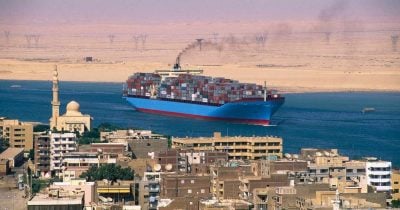
The Strait of Hormuz, a narrow waterway through which about a fifth of the world's oil passes, sits at the center of this escalation. Analysts say the new sanctions could make it harder for tankers to navigate the strait without fear of being blacklisted. That could slow traffic and raise insurance premiums for all vessels transiting the area, not just those linked to Iran.
Regional tensions are already high. Iran has previously threatened to block the strait in response to pressure. While no such move has been announced, the new sanctions may push Tehran closer to that brink. Any disruption to shipping through Hormuz would send shockwaves through global energy markets.
Diplomatic complications
The timing of the sanctions adds another layer of uncertainty. The US and Iran have been engaged in indirect talks aimed at reviving the 2015 nuclear deal, known as the JCPOA. Those negotiations have stalled over issues like uranium enrichment levels and the removal of sanctions. By tightening the screws now, Washington risks alienating Tehran and making a diplomatic breakthrough even harder to reach.
Iran has already responded with its own measures, including accelerating enrichment and restricting IAEA inspections. The new US sanctions could harden that stance. European allies, who have been pushing for a negotiated solution, may also find themselves caught in the middle — their companies could be penalized for doing business with Iran.
The question now is whether these sanctions will force Iran back to the table or push it further away. The Strait of Hormuz remains a flashpoint, and the insurance industry is watching closely. For now, the US is betting that economic pressure will work. But the risks are real, and the outcome is far from certain.