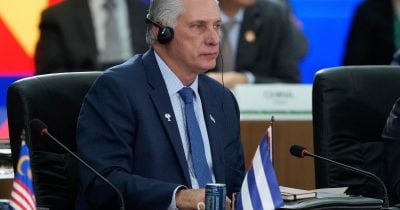
The United States government has imposed sanctions on Cuban President Miguel Díaz-Canel, a move that deepens the already tense relationship between Washington and Havana. The sanctions, announced without immediate detail on specific restrictions, come as Cuba struggles with its worst economic crisis in decades.
Who gets hit
The sanctions target Díaz-Canel personally, not Cuba's government apparatus as a whole. That means the president's assets in the US — if any — would be frozen, and Americans are generally barred from doing business with him. The action mirrors sanctions the US has placed on other foreign leaders it accuses of human rights abuses or anti-democratic behavior.
Why now
The Biden administration did not publicly tie the sanctions to a single event. US officials have cited Cuba's crackdown on dissent, its role in propping up the Maduro government in Venezuela, and its failure to move toward democratic reforms. The sanctions ratchet up pressure on Díaz-Canel personally, making it harder for him to travel or conduct international financial transactions.
Fallout for Cuba’s economy
Cuba is already facing severe shortages of food, medicine, and fuel. The sanctions could make it even harder for the island to secure financing or trade deals. While the US embargo has been in place for decades, targeting the head of state sends a clear signal that Washington sees the current Cuban leadership as part of the problem, not a partner in any solution.
Regional reactions
Latin American governments are split. Some, like Mexico and Colombia, have urged dialogue and oppose unilateral sanctions. Others, including several Caribbean nations, rely on Cuban medical missions and have been reluctant to criticize Havana. The sanctions could strain the US relationship with those countries, particularly as Washington tries to rally regional support on migration and security issues.
What comes next is uncertain. The White House has not ruled out additional measures — including expanded sanctions on Cuban state enterprises or tighter travel restrictions. For now, the focus is on one man. But the broader question remains: can sanctions alone push Cuba toward change, or will they simply deepen the island's isolation?