The fragile ceasefire between the United States and Iran has collapsed, pushing the two countries back toward open confrontation. In a swift escalation, a naval blockade has been reinstated, threatening to disrupt global oil shipments and further destabilize a region already on edge.
Back to blockade
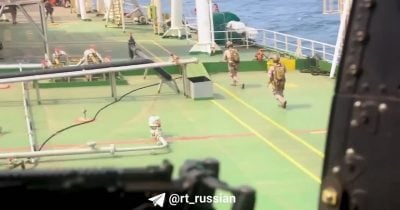
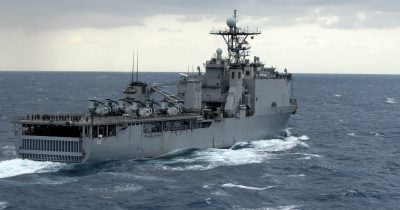
Just days after the truce raised hopes for de-escalation, both sides traded accusations of violations. Washington ordered the return of a naval cordon in the Persian Gulf, effectively cutting off key maritime routes. Iran has responded by mobilizing its own naval assets, raising the risk of direct clashes at sea.
Military analysts say the blockade revives a tactic that was used in earlier phases of the standoff. It restricts the movement of commercial vessels, particularly oil tankers, and tightens the economic pressure on Tehran. The move also signals that the United States is no longer willing to pursue dialogue through the short-lived ceasefire.
Oil markets on edge
The renewed blockade has already rattled global oil markets. Traders are pricing in a higher risk premium, as any disruption to tanker traffic through the Strait of Hormuz could send crude prices soaring. The strait handles about a fifth of the world's oil supply, and Iran has previously threatened to close it.
Benchmark crude prices jumped several dollars in early trading following the announcement. While the exact impact depends on how long the blockade lasts, the immediate effect is a spike in volatility. Refineries and shipping companies are scrambling to reroute cargoes, adding costs and delays.
Diplomacy takes a back seat
Prospects for a diplomatic resolution have dimmed considerably. Mediators from European and Gulf states had been quietly working to salvage the ceasefire, but those efforts are now stalled. Neither Washington nor Tehran has shown willingness to return to the negotiating table under the current conditions.
Instead, both capitals are doubling down on rhetoric. The White House issued a statement accusing Iran of violating the ceasefire terms, while Iranian officials dismissed the blockade as a provocation. The breakdown leaves little room for the kind of back-channel talks that had produced the original, albeit short-lived, agreement.
Economic recovery under threat
The broader economic fallout is already being felt. The collapse of the ceasefire and the reinstatement of the blockade reduce the chances of a sustained economic recovery, both regionally and globally. Supply chains that had begun to stabilize after the initial shock of the conflict are now facing new uncertainties.
Businesses that rely on predictable energy prices are bracing for higher costs. Airlines, shipping companies, and manufacturers are all watching the situation closely. The International Monetary Fund had recently revised its growth forecasts upward, but that revision now looks premature. The renewed tensions threaten to erase those gains.
One unresolved question that hangs over the situation is whether either side is willing to take the first step toward de-escalation. Without a new ceasefire in place, the blockade remains in effect, and the risk of a wider conflict continues to grow.