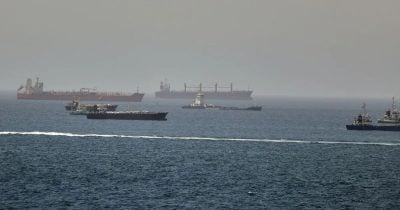
A military exchange between US and Iranian forces in the Strait of Hormuz has ratcheted up tensions in one of the world’s most strategically vital waterways. The confrontation, which occurred in recent days, threatens to destabilize regional security, disrupt global oil markets, and complicate already fragile diplomatic efforts.
The Strait of Hormuz Flashpoint
Details of the exchange remain limited, but both sides have acknowledged the incident. The Strait of Hormuz is a narrow chokepoint connecting the Persian Gulf to the open ocean. Roughly a fifth of the world’s oil passes through it daily. Any sustained disruption there would send shockwaves through energy markets.
Iranian forces have long used the strait as leverage in disputes with the US and its allies. The latest clash follows months of rising rhetoric and tit-for-tat seizures of commercial vessels. This time, military assets directly engaged, marking a significant escalation.
Ripple Effects on Global Oil
Oil prices have already edged higher as traders price in the risk of supply cuts. A full blockade or even a prolonged standoff could push prices sharply upward, hitting consumers worldwide. Countries heavily dependent on Middle Eastern crude — especially in Asia and Europe — would feel the pain first.
The US has naval assets in the region and has promised to keep the strait open. But any miscalculation by either side could spiral. The incident underscores how a localized skirmish can reverberate through global supply chains within hours.
Diplomatic Risks and Regional Stability
Beyond oil, the clash risks derailing ongoing diplomatic efforts. Talks over Iran’s nuclear program and regional security were already moving slowly. Now the window for dialogue may narrow further. Neighboring states — Saudi Arabia, the UAE, Iraq — are watching closely. They have their own security and economic interests at stake.
Iran has signaled it will not back down, while US officials have reaffirmed their commitment to protecting freedom of navigation. The longer the standoff lasts, the greater the chance of a broader conflict that no party appears to want.
The situation remains fluid. Neither side has announced a next step, but the world is waiting to see whether the exchange was a one-off escalation or the beginning of a more dangerous cycle.