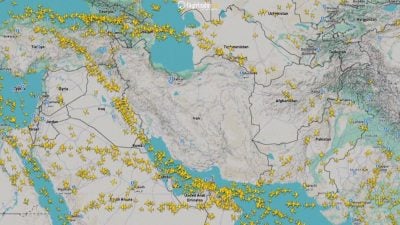
The United States and Iran have exchanged direct strikes, and hopes for a deal to secure the Strait of Hormuz are all but gone. The escalating confrontation now threatens the stability of global oil supplies, with potential knock-on effects for inflation, monetary policy, and risk assets.
The latest strikes
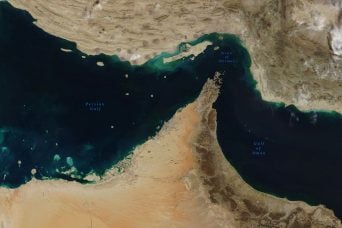
Both sides carried out military actions in recent days, though neither has disclosed full details of targets or damage. The exchange marks a sharp escalation after months of indirect posturing and signals that diplomatic channels have largely closed. Iran’s position on Hormuz — the narrow waterway through which about a fifth of the world’s oil passes — has hardened, according to people familiar with the talks.
Why the Hormuz deal matters
A security arrangement for the Strait had been under quiet negotiation for weeks. The goal was to prevent any blockade or harassment of tankers, a fear that has periodically spiked oil prices. With those talks now stalled, the risk of a disruption to crude flows has jumped. Even a brief closure could send prices sharply higher and strain economies already grappling with sticky inflation.
Economic ripple effects
Central banks are watching closely. A sustained oil price spike would feed into headline inflation, potentially delaying rate cuts or forcing further tightening. That’s a headwind for risk assets like stocks and corporate bonds, which have been pricing in a softer monetary policy path. For now, oil markets have not fully priced in a worst-case scenario — but that could change with any new strike or a formal threat to shipping in the strait.
What comes next
Neither Washington nor Tehran has signaled a return to talks. The next flashpoint could come if Iran’s navy conducts exercises near the Strait or if the US sends additional naval assets to the region. For traders and policymakers, the question is no longer whether tensions will ease, but how high prices will go before someone blinks.