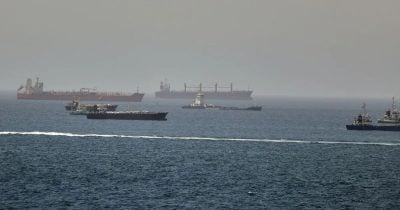
The growing confrontation between the United States and Iran is raising alarms over the Strait of Hormuz, the narrow waterway that handles about a fifth of the world's oil. Any disruption there could send shockwaves through global energy markets, hitting economies that depend on steady supplies and predictable prices hardest.
Why the Strait of Hormuz Matters
The strait connects the Persian Gulf to the Gulf of Oman and the open ocean. Roughly 17 million barrels of crude and refined products pass through daily. That's more than the combined output of Saudi Arabia and Iraq. Iran has threatened to block the chokepoint in the past, and the current spike in tensions has revived those fears. The US has sent naval reinforcements to the region, a move that risks miscalculation or direct confrontation.
What a Disruption Would Mean for Oil Markets
A closure of the strait would immediately remove a massive chunk of global supply. Even a temporary blockage — or simply the threat of one — tends to lift oil prices. Traders have already priced in a risk premium. If the passage were shut, prices could spike well above $100 a barrel, analysts have noted in previous crises. The effect wouldn't be limited to crude. Refined products like gasoline and diesel would also tighten, raising costs for consumers and businesses worldwide.
Which Economies Are Most Exposed
Countries that import most of their oil are the most vulnerable. Japan, South Korea, India, and many European nations rely heavily on Middle Eastern crude routed through the strait. China, the world's biggest crude buyer, also gets a large share from the Gulf. For these economies, a sustained disruption would mean slower growth, higher inflation, and pressure on currencies. Oil-exporting nations in the Gulf would themselves suffer, as they cannot easily export without the strait.
What Comes Next
For now, both sides are signaling strength, but neither has closed the shipping lane. The immediate question is whether diplomatic channels can keep the situation from boiling over. The US has called for talks; Iran has demanded an end to sanctions first. With no clear off-ramp, the risk of an accidental escalation remains real. Markets will be watching every move in the Gulf, waiting to see if the strait stays open or becomes a flashpoint that reshapes global energy flows.