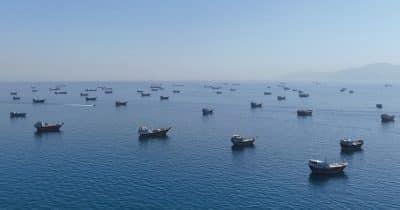
The Strait standoff
The Strait of Hormuz is a narrow waterway through which a huge chunk of the world's oil passes. Iran's mining of the strait earlier this month triggered a spike in oil prices and sent insurance premiums for tanker operators soaring. The US Navy has been conducting clearing operations, but until now the exact location of the mines was unknown. The new intelligence, the US says, changes the equation. It expects shipping to normalize within 30 days.
Oil markets react
The prospect of normal shipping within 30 days helped push crude futures lower in early trading Tuesday. Traders have been pricing in a prolonged disruption, so a credible path back to normal flows could unwind some of the geopolitical risk premium that has kept oil elevated. The Strait closure has sent shockwaves through energy markets — tanker rates jumped, and some refineries cut output. A return to normal would reverse many of those dislocations. A sustained decline in oil prices would ripple through supply chains and potentially reduce inflation pressure globally. That's a positive for risk assets broadly.
Crypto in the crosswinds
Cryptocurrency markets have been tracking macro trends closely all year. A drop in oil prices — and the broader easing of geopolitical fears — could shift the risk appetite among digital asset traders. Lower energy costs also reduce mining expenses for proof-of-work coins, though the direct effect is modest. More importantly, if oil stabilization helps central banks ease off on rate hikes, that could be a tailwind for crypto. But none of that is guaranteed, and the situation in the Gulf remains fragile. For now, bitcoin and ether have been rangebound, with traders unwilling to take big directional bets amid the uncertainty. The potential stabilization of oil markets may spill over into digital assets, as traders reassess the global risk environment. A reduction in geopolitical risk premiums could reignite appetite for higher-volatility plays like crypto.
What comes next
The US believes it can clear the mines within 30 days, but that timeline assumes no new mines are laid and that Iran doesn't escalate further