A third wave of US airstrikes is now underway in Iran, escalating a military campaign that threatens to reshape the region. The strikes, which began without prior public warning, have already drawn sharp international concern over their potential to destabilize an already fragile geopolitical landscape. Analysts warn that the sustained bombing could trigger leadership changes in Tehran and send shockwaves through global markets.
What the strikes target
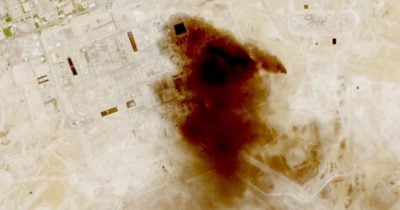
Details on specific targets remain scarce, but the scale of this third wave suggests a deliberate expansion beyond earlier operations. The US military has not released a comprehensive list, though the strikes appear focused on Iranian military and infrastructure sites. The campaign follows a pattern of increasing pressure, though officials in Washington have offered limited public justification for the latest escalation.
Iranian authorities have not issued a formal response, but emergency services and local media report heavy damage in several provinces. The lack of immediate retaliation from Tehran has left observers guessing about the regime's next move.
Ripple effects across the region
The airstrikes come at a time when the Middle East is already contending with multiple conflicts and proxy wars. A direct US-Iran confrontation risks pulling in neighboring states, disrupting oil transit routes, and emboldening militant groups. The potential for miscalculation is high—one mistaken strike on a civilian site could inflame public opinion across the Muslim world.
Inside Iran, the campaign may accelerate internal power struggles. The strikes underscore the vulnerability of the country's air defenses and could weaken the standing of hardline factions, possibly opening the door for leadership changes. But the opposite is also possible: a nationalist backlash that consolidates the regime's grip on power.
Global markets on edge
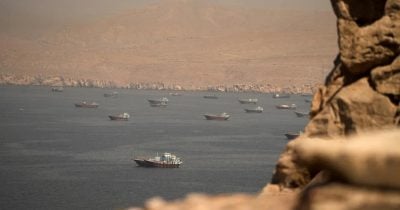
The economic consequences are already visible. Crude oil prices spiked within hours of the first reports of the third wave, and traders are bracing for further volatility. The Strait of Hormuz, a chokepoint for nearly a fifth of the world's oil supply, lies within striking distance of Iranian forces. Any disruption there would ripple through fuel costs worldwide.
Stock markets in Asia and Europe dipped on the news, and investors are moving capital into safe havens like gold and the US dollar. The uncertainty could persist for weeks, especially if Iran retaliates with cyberattacks or proxies targeting Gulf oil facilities.
The unanswered question
Neither Washington nor Tehran has signaled a willingness to de-escalate. The US has not ruled out further waves of strikes, while Iran's leadership is under pressure to respond in a way that restores deterrence without triggering a full-scale war. The world is now watching for the first concrete move from either side—be it a diplomatic backchannel or a military reprisal. That answer may come in the next 48 hours.