The United States has ended its maritime blockade of the Strait of Hormuz and resumed commercial shipping through the waterway following a peace agreement with Iran. The move, confirmed by the White House on Tuesday, restores access to a passage that carries roughly a fifth of the world's oil supply.
Why the Blockade Was in Place
The blockade began after escalating tensions between Washington and Tehran over Iran's nuclear program and regional military activities. For months, U.S. Navy vessels patrolled the strait, stopping and inspecting cargo ships bound for Iranian ports. The disruption sent oil prices soaring and forced shipping companies to reroute vessels around the Arabian Peninsula, adding days and millions of dollars in costs.
The Peace Agreement's Key Terms
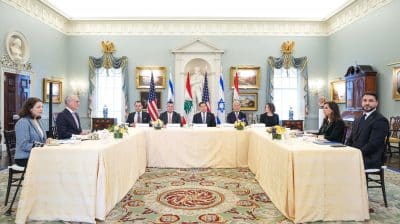
Details of the accord remain sparse, but both sides have confirmed it includes a halt to all military actions in the strait and a mutual commitment to freedom of navigation. In return, the U.S. has pledged to lift economic sanctions tied to the blockade and to restore diplomatic channels. Iran, for its part, has agreed to limit its nuclear enrichment activities to levels specified under the 2015 Joint Comprehensive Plan of Action.
Immediate Impact on Shipping and Oil Markets
Within hours of the announcement, the first commercial tanker transited the strait without inspection. The Baltic Dry Index, a key measure of shipping costs, dropped by 12% as traders priced in the end of the disruption. Crude oil futures fell 4% on the news, with Brent crude settling at $78 a barrel. Analysts expect further declines if the agreement holds.
Shipping companies had been idling dozens of vessels or rerouting them through the longer Cape of Good Hope route. Now, those ships are being recalled to the Persian Gulf. Ports in the United Arab Emirates and Saudi Arabia are preparing for a surge in traffic.
What Comes Next
The first formal joint patrol of the strait by U.S. and Iranian naval officers is scheduled for next week. A separate working group will address the status of seized cargoes and detained crews. For the moment, the focus is on logistics—clearing the backlog of ships waiting at the mouth of the strait and verifying that both sides abide by the terms. The next test will come when the first oil tanker from Iran’s Bandar Abbas port reaches international waters.