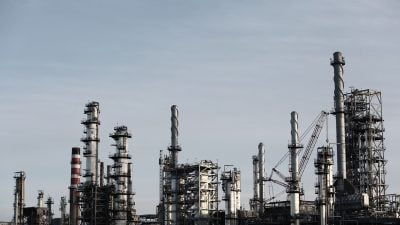
US Marines boarded an Iranian oil tanker in the Gulf of Oman this week as part of an intensified blockade enforcement. The operation, which escalates military pressure in the region, is already rippling through energy markets and drawing fresh scrutiny to how Tehran uses cryptocurrency to bypass sanctions.
The boarding and its immediate fallout
The boarding happened in international waters off the coast of Oman. The tanker was Iranian-flagged. US officials haven't detailed the cargo or crew, but the move is part of a broader push to tighten the noose on Iran's oil exports. It's not the first such interdiction, but it's one of the most direct military actions in months.
Why crypto markets are watching
Iran has leaned on cryptocurrency to move money around sanctions. Miners there power rigs with cheap, subsidized energy, and some oil-for-crypto deals have been reported. This week's boarding threatens those channels. The heightened naval presence in the Gulf of Oman could disrupt the physical oil shipments that underpin some of those arrangements. Exchanges that handle Iranian-linked wallets may face more scrutiny too.
Iran's crypto playbook under pressure
Over the past few years, Tehran built a shadow oil trade that sometimes settles in digital assets. The blockade enforcement, now backed by direct military action, makes those trades riskier. Regulators in Europe and Asia are likely to press exchanges to freeze any wallets tied to Iranian entities. The timing isn't great for Iran — it's already struggling with inflation and a cratering rial.
The next move for Tehran
The boarding is probably just the start. Expect more naval interdictions in the weeks ahead. For Iran, the calculus around crypto as a sanctions workaround just got harder. The question now is whether Tehran doubles down on digital assets or shifts tactics — maybe moving to less traceable coins or peer-to-peer channels. The US has not commented on whether it will target crypto infrastructure directly, but this boarding signals a broader clampdown that isn't limited to physical barrels.