The US military has disabled a tanker that refused to comply with naval orders in the Strait of Hormuz, escalating its enforcement of the blockade. The incident marks a sharp turn in the campaign to control the critical waterway, threatening to upend both regional maritime security and the flow of global trade.
What happened at the Strait
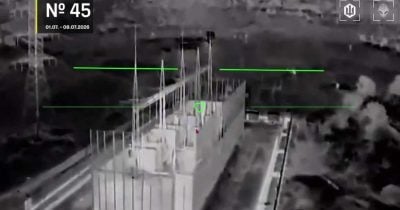
Military forces stopped a non-compliant tanker and disabled the vessel, according to reports. The operation was part of the broader blockade enforcement that has tightened in recent days. Details on the tanker's flag, cargo, or crew have not been disclosed.
Why the blockade matters
The Strait of Hormuz is a narrow chokepoint for oil and gas shipments. About a fifth of the world's petroleum passes through it. Any disruption there directly affects global shipping routes and economic stability. The escalation in enforcement could push freight costs higher and reignite fears of supply shortages.
Regional security risks
Neighboring nations already on edge now face a more volatile maritime environment. The blockade escalation could destabilize the region's fragile security framework, drawing in navies from other countries and raising the risk of miscalculations. The immediate effect on oil prices and shipping insurance rates remains unclear.