The US government made clear this week that its military forces will remain deployed across the Middle East until a nuclear agreement with Iran is finalized. The statement ties the timeline of a large American troop presence directly to diplomatic progress in talks that have dragged on for months. Officials did not provide a date for the withdrawal, only linking it to the completion of a nuclear deal.
Why the forces stay
The administration framed the continued deployment as a condition for reaching an accord. Washington wants to keep pressure on Tehran while negotiators work out the remaining sticking points. The announcement signals that the US is not prepared to reduce its military footprint in the region as a goodwill gesture — at least not yet. It's a position that leaves American troops in place for the foreseeable future, given the halting pace of the nuclear talks.
The deal on the table
The nuclear deal under discussion would place limits on Iran's enrichment activity and give international inspectors broader access. In exchange, Western sanctions would be lifted. But no final text has emerged. The US government's statement suggests that negotiators still see a path forward, but they're not confident enough to pull back military assets. The tension between military posture and diplomatic outcomes is now explicit.
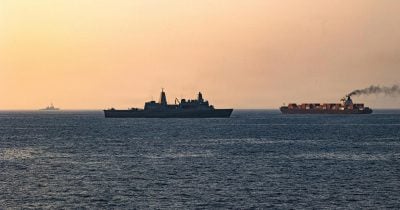
US forces have been stationed across the Middle East for decades, but their numbers have fluctuated. The current deployment includes naval assets, air patrols, and ground troops at bases in several countries. By linking their stay to the nuclear deal, the US government is effectively making the military presence a bargaining chip. That could complicate relations with allies in the region who want Washington to stay regardless of any agreement with Iran. It also puts pressure on Tehran to come to the table — or risk seeing American troops remain indefinitely.
The administration didn't say which military branches or specific units would be affected. No new deployments were announced; this is about keeping existing forces where they are.
Unanswered questions
The biggest unknown is timing. Negotiators have not set a deadline for the next round of talks. The US government offered no estimate for how long the military might remain. That leaves the door open to a protracted stay if diplomacy stalls again. For now, the policy is simple: no deal, no withdrawal. What happens if talks break down entirely was not addressed.