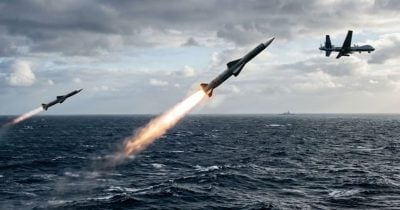
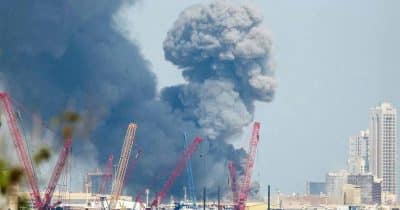
The US military carried out its first-ever rescue operation using an unmanned sea drone, following a confrontation with an Iranian drone near the Strait of Hormuz. The operation, which took place in the strategic waterway, marks a new chapter in how the Pentagon deploys autonomous systems in real-world crises.
What happened near the Strait
Details remain limited, but officials described the sequence as starting with an Iranian drone incident in or near the Strait of Hormuz—one of the world’s most critical oil transit chokepoints. In response, the US military launched an unmanned surface vessel (USV), a type of sea drone, to conduct a rescue. No further specifics on what was rescued—personnel, equipment, or another vessel—have been released. The Pentagon has not named any individuals or units involved.
Why this rescue is a first
The US has used drones for years in strike and surveillance roles, but this is the first time an unmanned sea drone has been deployed for a rescue mission. Autonomous boats have been tested for tasks like mine sweeping and patrol, but using one to save lives or retrieve assets in the immediate aftermath of an adversary’s drone activity is new. The Navy has been pushing to integrate more unmanned systems into its fleet under the “unmanned campaign framework,” but operational use has been incremental.
The Strait of Hormuz context
The Strait of Hormuz, a narrow passage between the Persian Gulf and the Gulf of Oman, is a frequent flashpoint. Iran has repeatedly harassed commercial and military vessels there, including seizing tankers and launching drones near US ships. The incident that triggered this rescue appears to be the latest in that pattern, though it is unclear whether the Iranian drone was armed or simply conducting reconnaissance.
What’s next for unmanned naval rescues
The Pentagon has not said whether the success of this mission will accelerate the deployment of USVs for similar tasks. The Navy is already planning to field large unmanned surface vessels by the mid-2020s, but rescue operations were not explicitly part of the program’s objectives. Questions remain about how autonomous systems will handle complex, fast-moving events like a rescue under fire or in contested waters. No timeline for further tests or doctrine updates has been announced.