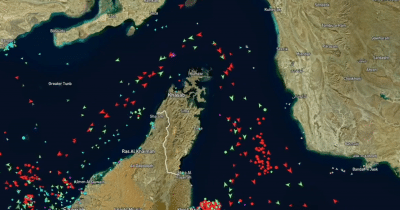
The US military has quietly increased its naval presence in the Strait of Hormuz, a move that could keep oil trade routes open while a fragile ceasefire holds. The deployment comes at a tense moment for regional diplomacy and global energy markets, where any disruption in the strait sends ripples across the world.
Why the Strait Matters
The Strait of Hormuz is a narrow waterway between Oman and Iran, connecting the Persian Gulf to the open ocean. Roughly a fifth of the world's oil passes through it every day. A naval buildup here isn't routine — it signals that Washington sees the risk of instability as real. The increased presence may deter any attempt to block or harass commercial shipping, but it also raises the temperature in a region already on edge.
Ceasefire's Fragile Foundation
The ceasefire that prompted the deployment is described as fragile. No details have been released about its duration or the parties involved, but the fact that US forces are moving assets into position suggests the truce is not yet trusted to hold on its own. The navy's role here is partly protective, partly a warning — a show of force meant to backstop diplomacy without triggering a wider confrontation.
Impact on Oil Markets
For oil markets, the message is mixed. On one hand, more warships in the strait can reassure shippers and insurers, potentially stabilizing crude prices that have been volatile. On the other, the very need for such a deployment reminds traders how close the region is to conflict. Any miscalculation — a close encounter, a stray missile — could spike prices overnight. The US move may reduce that risk, but it doesn't eliminate it.
Diplomatic Calculations
Regional governments are watching closely. The strait's security affects not just oil exports but the broader balance of power in the Gulf. Iran, which has long threatened to close the waterway during crises, now faces a more visible US naval posture. That could either deter aggressive moves or provoke a response, depending on how the ceasefire evolves. For now, the Strait remains open, and the ceasefire — however fragile — still holds. Whether that lasts may depend on the next diplomatic step.