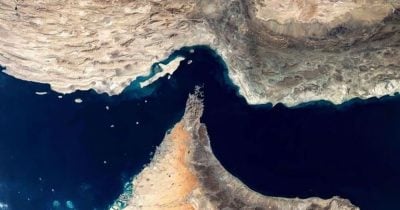
The US Navy has the ability to reopen the Strait of Hormuz alongside international allies, Defense Secretary Austin said this week. The statement comes as tensions in the region remain high, and any multinational operation could either calm global oil markets or further inflame an already volatile situation.
Why the Strait of Hormuz Matters
A narrow waterway between the Persian Gulf and the Gulf of Oman, the Strait of Hormuz handles roughly a fifth of the world's oil supply. Tankers carrying crude from Saudi Arabia, Iraq, Iran, the UAE, and Kuwait pass through it daily. Any disruption—from mines, attacks, or military standoffs—sends shockwaves through energy prices. Austin's remarks suggest the Pentagon is preparing for a scenario where freedom of navigation comes under direct threat.
Stabilizing Oil or Stoking Tensions?
A coordinated naval presence could deter hostile actors and reassure shippers, potentially keeping oil prices steady. But the calculus is not that simple. An increased international footprint in the strait may be read as provocation by regional powers, particularly Iran, which has long asserted its own interests in the waterway. The result could be the opposite of stability: more skirmishes, more brinkmanship, and a deeper military entanglement. Austin did not detail which allies might join or under what command structure.
A Decision Yet to Be Made
No timeline has been given for when or even if such a mission will launch. Austin's comments outline a capability, not a commitment. The administration has not publicly signaled that it has asked allies to contribute ships or patrols. Whether the United States ultimately pursues this option will depend on events in the region—and on how other governments respond to the idea of a multinational force in one of the world's most strategic chokepoints.