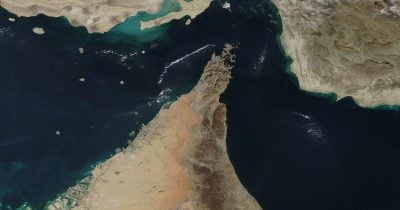
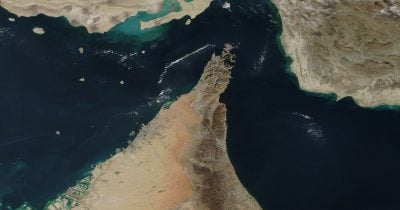
The U.S. Navy has begun escorting oil tankers through the Strait of Hormuz, a move that comes during a crisis in the region in 2026. The escort operation is intended to protect commercial shipping and signal a potential shift toward stabilization in one of the world's most critical maritime chokepoints.
Why the escorts are happening
The Strait of Hormuz connects the Persian Gulf with the Gulf of Oman and is a vital passage for global oil supplies. Roughly one-fifth of the world's petroleum moves through the strait each day. The U.S. Navy's decision to directly escort tankers follows a period of heightened tensions that have disrupted shipping and raised insurance costs for vessels transiting the waterway. The escort operation is a direct response to the ongoing 2026 crisis, though the Navy has not detailed the specific threats that triggered the move.
Impact on oil markets
The escort operation has already affected market confidence. Traders are watching the strait closely because any disruption there can send oil prices swinging. The presence of U.S. warships alongside commercial tankers is meant to reassure shippers and insurers, potentially keeping routes open and premiums in check. But the long-term effect on market stability depends on how the broader crisis evolves and whether the escorts become a routine measure or a temporary fix.
What the escorts mean for maritime security
The operation also carries implications for future maritime security dynamics. By taking on a direct escort role, the U.S. Navy is signaling a willingness to commit naval assets to protect commercial traffic in a high-risk zone. That could set a precedent for how the U.S. and its allies respond to similar threats elsewhere. The move may also shift the balance of security responsibilities in the region, where local navies and international coalitions have previously patrolled without providing dedicated escorts.
The Navy has not announced an end date for the escort missions, and the operation continues as the crisis unfolds.