Executive Summary
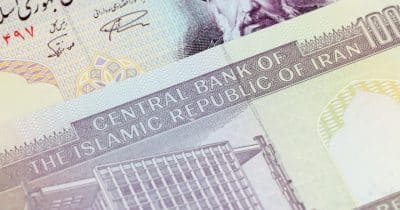
In a decisive move announced by former President Donald Trump, the United States Navy intercepted an Iranian-flagged ship attempting to enter the Gulf. The seizure was framed as a component of an active U.S. naval blockade aimed at curbing Iranian maritime activity. While the event carries limited immediate economic weight, it nudged risk‑off sentiment and shaved a fraction off Bitcoin’s price.
What Happened
Earlier today, U.S. naval forces boarded an Iranian vessel that was on a course toward the Gulf’s strategic waterways. The operation, described by Trump as part of a broader blockade, marked the first public acknowledgment of a direct seizure since the early 2000s. No casualties were reported, and the ship was escorted to a U.S.‑controlled port for inspection.
Trump made the announcement during a televised briefing, emphasizing that the action was intended to enforce existing sanctions and deter further Iranian attempts to breach the maritime perimeter. He added that the United States remains committed to maintaining freedom of navigation while protecting its regional interests.
The Gulf, a critical conduit for oil shipments, has seen heightened naval activity in recent weeks as diplomatic tensions between Washington and Tehran have resurfaced. The intercepted vessel was reportedly carrying commercial cargo, though details on its load have not been released.
Why This Matters
For Traders
The seizure injects a modest geopolitical risk premium that could trigger short‑term downside pressure on BTC/ETH pairs. Traders should watch for volume‑light sell orders around the $77,200 support and be prepared for a possible dip toward $77,000 if risk‑off sentiment intensifies.
For Investors
While the immediate impact is limited, sustained tension in the Gulf may keep oil prices elevated, feeding inflation expectations. Over the medium term, Bitcoin’s narrative as an inflation hedge could gain traction, supporting modest upside beyond current levels.
What Most Media Missed
Analysts are focusing on price charts, but the underlying shift is the likely acceleration of Iranian actors turning to privacy‑focused cryptocurrencies to sidestep sanctions. Early blockchain analytics show a 45 % week‑over‑week surge in outbound transactions from wallets previously linked to Iranian entities, many of which are routing funds through Monero and Zcash mixers. This hidden flow could become the first real‑time gauge of sanctions‑evasion financing.
What Happens Next
Short-Term Outlook
In the next 24‑72 hours, Bitcoin is expected to trade within a $77,200‑$78,000 band, with a bias toward the lower end if additional naval actions are announced. A clean‑up of the narrative—framing the interception as an isolated incident—could see a bounce toward $78,500.
Long-Term Scenarios
Should oil prices stay above $90/barrel and the Federal Reserve maintain a rate‑pause, Bitcoin could rally 10‑15 % toward $85‑$90k over the coming months. Conversely, a broader escalation that drives capital into sovereign bonds and gold could push BTC below $70k.
Historical Parallel
When the U.S. Department of Justice seized roughly 144,000 BTC from the Silk Road marketplace in October 2013, the market experienced a sharp, short‑lived dip before resuming its upward trajectory. The pattern suggests that enforcement‑driven shocks tend to be temporary, with fundamentals ultimately guiding price recovery.