The United States has committed to imposing no new sanctions on Iran as a draft agreement takes shape between the two countries. The emerging deal, still in its early stages, holds the potential to stabilize oil markets and ease geopolitical tensions across the Middle East. But officials caution that uncertainty remains until a final version is signed and implemented.
What the draft deal includes
Details of the draft are still being negotiated, but the core U.S. pledge — a freeze on additional sanctions — is now public. In exchange, Iran is expected to take steps to limit its nuclear program and curb its support for regional militias. Neither side has released the full text of the proposed agreement, and talks are ongoing.
The commitment marks a significant shift from the Trump-era maximum-pressure campaign, which piled on dozens of new sanctions. The Biden administration has been exploring diplomatic channels for months, and the draft represents the most concrete progress yet.
Why oil markets are watching
Iran holds some of the world’s largest oil reserves, but sanctions have kept much of its crude off global markets. If a deal is finalized, Iran could ramp up exports relatively quickly — adding supply at a time when prices are already under pressure from slowing demand. Traders have been eyeing any signals out of Washington and Tehran for clues about future flows.
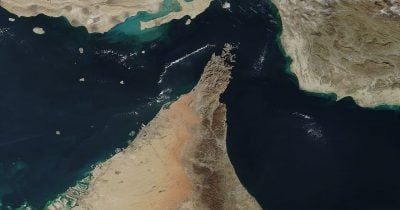
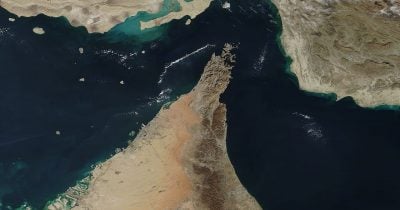
A stable Iran deal would also remove a key risk premium from oil prices. That premium has been built in partly because of fears that a conflict or new sanctions could disrupt shipping through the Strait of Hormuz. A deal would reduce that threat, making markets less jittery.
Geopolitical ripple effects
Beyond oil, the draft deal could ease broader tensions in the region. Iran’s proxies in Yemen, Lebanon, and Iraq have been a source of instability for years. A U.S.-Iran understanding might create room for de-escalation in those conflicts, though no one expects a quick fix.
Israel and Saudi Arabia have both expressed skepticism about any deal that leaves Iran with a nuclear threshold capability. Their concerns are likely to shape the final text, but the U.S. commitment to no new sanctions is a clear signal that Washington is prioritizing diplomacy.
What’s next
Negotiators have not set a deadline for a final agreement. The draft must still be reviewed by both governments and, in the U.S. case, could face scrutiny from Congress. Until then, the no-new-sanctions pledge remains a commitment — not a law. Whether it holds depends on the talks that follow.