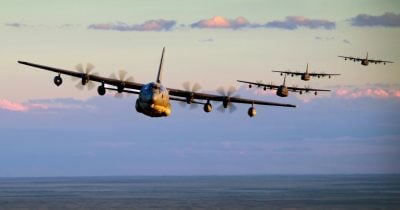
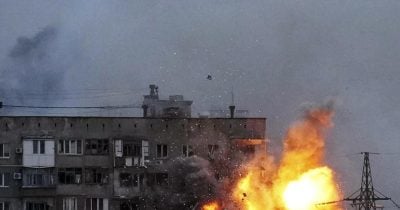
The United States has moved refueling aircraft into position for possible strikes on Iranian nuclear facilities, according to military sources. The deployment comes as a prediction market gives a 44% probability that the Iranian blockade will end by August 31, 2026.
Refueling aircraft in position
The US military has positioned tanker aircraft and other support assets to enable long-range strike missions against Iranian nuclear sites. The move signals that planning for a potential operation has advanced beyond the contingency stage. Refueling aircraft are critical for any sustained air campaign over Iran, which lies far from US bases in the region.
Officials have not confirmed the specific targets or a timeline for action. The deployment follows months of heightened tensions over Iran's nuclear program, which Tehran insists is peaceful. The US and its allies have repeatedly warned that Iran is close to developing a nuclear weapon.
Prediction market odds on the blockade
Separately, traders on a major prediction platform are betting that the Iranian blockade will end within the next two years. The market currently shows a 44% chance that the blockade — which restricts shipping through key waterways — will be lifted by August 31, 2026. The odds have fluctuated in recent weeks as geopolitical developments unfold.
The blockade has disrupted global oil shipments and raised insurance costs for vessels transiting the region. Iran has not formally acknowledged the blockade, but naval forces have been intercepting cargo ships and oil tankers. The prediction market's probability suggests that traders see a meaningful chance of a diplomatic resolution or a military breakthrough before the deadline.
What the military posture means
The positioning of refueling aircraft does not guarantee an attack is imminent. Such assets are routinely deployed as a precautionary measure. But the scale of the current deployment is notable. Multiple tanker squadrons have been moved to forward operating locations, according to defense officials.
Analysts point out that without aerial refueling, US strike aircraft would have limited loiter time over Iranian targets. The tankers extend the range and endurance of fighter jets and bombers. The US has also increased surveillance flights near Iran, though those have not been publicly linked to the refueling deployment.
The next few weeks will be critical. The prediction market's August 2026 date is still far off, but the military posture suggests that the US is preparing for a possible confrontation sooner rather than later. Whether that confrontation comes in the form of airstrikes or a negotiated end to the blockade remains an open question.