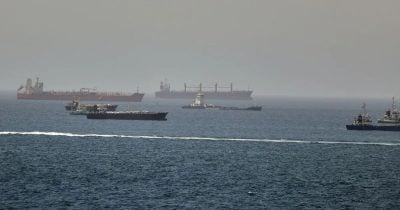
The United States is pulling back some of its military forces from the Strait of Hormuz, a move timed with a ceasefire between Iran and its regional adversaries. The reduction in American warships and patrol assets could open the door for broader international cooperation and help stabilize shipping lanes in one of the world’s most critical energy chokepoints.
Ceasefire context
The drawdown follows a tentative ceasefire that has lowered tensions between Iran and the US-backed coalition in the region. While details of the agreement remain thin, the shift in military posture signals a deliberate attempt to de-escalate. For years, the Strait has been a flashpoint, with Iranian speedboats harassing tankers and the US Navy running regular escort missions. Now, both sides appear to be testing a less confrontational approach.
What this means for shipping
Roughly a fifth of the world’s oil passes through the Strait of Hormuz. Any disruption there sends shockwaves through global energy markets. A reduced US military footprint, if paired with genuine cooperation among littoral states, could cut the risk of accidental clashes or deliberate blockades. Commercial shippers have long called for a more predictable security environment. The ceasefire and the US force reduction together offer the best chance in years for safer, more routine passage.
But it’s not a done deal. The US hasn’t said how many ships are leaving or for how long. Iran’s behavior during the ceasefire will be closely watched. And other players — Saudi Arabia, the UAE, and Oman — all have their own security concerns. The Strait remains a narrow waterway where a single miscalculation can escalate fast.
What’s next
No formal timeline has been set for the US force reduction. The Pentagon is expected to release more details in the coming weeks. Meanwhile, the Iranian navy has announced joint exercises with Russia and China, a reminder that cooperation doesn’t automatically mean stability. The next few months will show whether this ceasefire is a pause or a pivot.