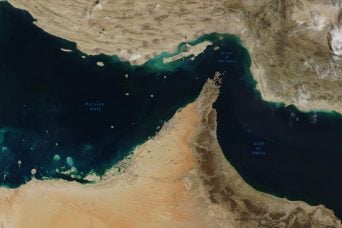
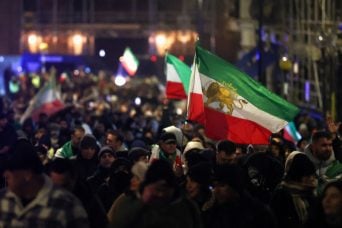
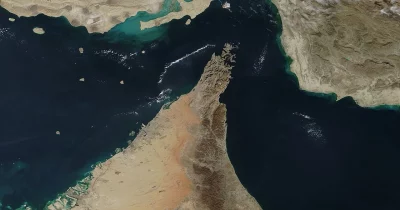
The US government has dismissed a report from Iran's state media that claimed a peace deal had been reached over the Strait of Hormuz. The rejection leaves the diplomatic standoff — and the market turbulence it's been fueling — very much alive. No agreement has been signed, and both sides remain at odds over access to the strategic waterway.
The Rejected Report
Iranian state outlets published the peace-deal claim late Tuesday, suggesting a breakthrough that would ease tensions in one of the world's most vital oil transit chokepoints. Washington was quick to shoot that down. A US official, speaking on condition of anonymity, called the report "baseless" and said no such deal exists. The official stressed that the US position on freedom of navigation through the Strait has not changed.
The quick denial underscores how wide the gap remains between the two governments. For now, the standoff grinds on with no diplomatic off-ramp in sight.
Market Volatility Worsens
Global energy markets have been on edge since the standoff escalated. Oil prices have seesawed as traders try to gauge the risk of a full closure of the Strait. Brent crude jumped 3% Monday on rumors of a possible deal, then dropped 2% after Washington's rejection. One senior oil trader based in Singapore described the environment as "a whipsaw — every headline moves the price."
Analysts aren't the ones making that call — the market is voting with real money. The uncertainty is now baked into futures contracts, with premiums for near-term delivery widening sharply. That directly hits consumers: gasoline prices at the pump have ticked up in several US states over the past week.
Investor Strategies Shift
Money managers are adjusting their bets. Hedge funds have trimmed bullish crude positions, worried that a sudden de-escalation could crash prices. Others are piling into tanker stocks, betting that longer shipping routes will boost freight rates. Meanwhile, a growing number of institutional investors are rotating into energy-sector defensive plays — utilities and midstream pipeline operators — to ride out the volatility.
"We're not making directional bets on crude right now," one portfolio manager told Reuters. "Too much noise. We're just hedging exposure and waiting for something real to happen."
The next concrete event on the calendar is a scheduled meeting of the International Maritime Organization next month, where shipping safety in the Gulf region is expected to be a top agenda item. Until then, the standoff over Hormuz remains unresolved — and so does the uncertainty gnawing at global markets.