The United States has rejected a 14-point proposal from Iran, a move that comes as military and diplomatic tensions in the Strait of Hormuz continue to climb. The rejection signals a hardening of positions between the two countries and raises the stakes in a region that sees nearly a fifth of the world’s oil pass through its waters.
What the proposal contained
Iran’s plan, submitted through diplomatic channels, aimed to address recent confrontations in the strait and offered a framework for de-escalation. The full text hasn’t been released, but sources familiar with the talks say it touched on maritime security, mutual inspections, and a timeline for reducing military patrols. Washington’s response was swift and blunt: no deal.
Officials in the U.S. described the proposal as insufficient and pointed to what they called a pattern of Iranian provocation in the waterway. They didn’t offer a counterproposal, leaving the diplomatic track in limbo.
Why the strait matters
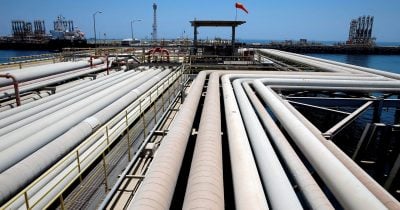
The Strait of Hormuz, a narrow channel between the Persian Gulf and the Gulf of Oman, is a chokepoint for global energy shipments. About 17 million barrels of oil move through it daily, according to the U.S. Energy Information Administration. Any disruption—even the threat of one—sends ripples through oil markets.
Recent weeks have seen an uptick in Iranian patrol boats shadowing commercial vessels, followed by brief standoffs with U.S. Navy destroyers. Neither side has reported casualties, but the frequency of encounters is up. Analysts say the rising tensions could hinder short-term stability in the region, making it harder for shipping insurers to set rates and for traders to price crude.
Market and geopolitical fallout
The rejection landed just as global oil markets were already skittish. Brent crude ticked up 2% on the news, though trading volumes were thin. The bigger worry is a longer-term disruption. If the strait becomes a flashpoint again, supply chains that rely on just-in-time deliveries of crude could face bottlenecks.
Geopolitically, the rejection widens the rift between Washington and Tehran at a time when other regional players—Saudi Arabia, the UAE, and Oman—have been quietly pushing for dialogue. Those Gulf states rely on the strait staying open for their own exports. They now face the prospect of being pulled into a standoff they didn’t start.
What comes next
Iran hasn’t responded publicly to the U.S. rejection. Its foreign ministry is expected to issue a statement in the coming days. On the water, the U.S. Fifth Fleet has increased its patrols, and Iran’s Islamic Revolutionary Guard Corps has conducted drills near the strait. No direct talks are scheduled.
The question that hangs over the region is whether the two sides can find an off-ramp before the next incident—an accidental collision, a mistaken warning shot—escalates into something neither can easily walk back from.