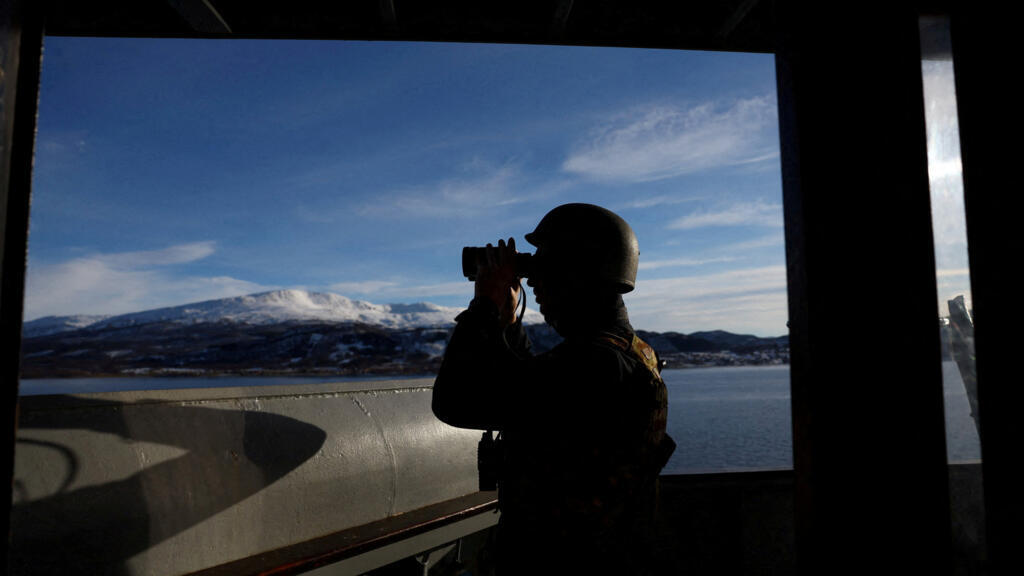
The US is preparing to sanction another Iranian bank, a move aimed at keeping economic pressure on Tehran as truce talks remain deadlocked. Washington has been stepping up its efforts to squeeze Iran's economy, and this latest action is part of that pattern. While the sanction targets a bank, not crypto infrastructure, it could have an unintended consequence: pushing sanctioned entities toward dollar-pegged stablecoins that operate outside the traditional banking system.
A bank, not crypto infrastructure
The direct impact on crypto is likely to be muted. The sanction is aimed at a financial institution, not at exchanges or blockchain networks. But the indirect effects could ripple through markets. Geopolitical friction often triggers a short-term risk-off move, and oil prices are a key channel. If crude spikes, crypto could see a brief dip as traders reassess exposure. Historically, such shocks have a short-lived impact unless they escalate into a broader crisis.
📊 Market Data Snapshot
The stablecoin loophole
Here's the twist. Dollar-pegged stablecoins like USDT and USDC don't require a bank account. They run on decentralized rails that are hard for Washington to control. For a sanctioned entity, a stablecoin is a way to transact in dollars without touching the traditional financial system. The more the US sanctions banks, the more it pushes users toward these assets. That's a regulatory paradox: the very tools designed to cut off dollar access could end up expanding it, just in a different form.
What to watch
Traders are watching oil prices as the key indicator. A sharp spike could push crypto higher as an inflation hedge, while a risk-off mood could drag it down. The market is also keeping an eye on any escalation headlines. For now, the sanction is a single data point, not a trend. But it's a reminder that geopolitical news can move crypto even when it doesn't directly touch the industry.
The longer view
Over the long term, persistent tensions could accelerate institutional adoption of Bitcoin as a non-sovereign store of value. If sanctions highlight the fragility of the traditional financial system, more investors may look to decentralized assets. But near-term, expect higher volatility. Dollar-cost averaging might be a prudent approach for those who believe in the long-term thesis.
The US has not named the bank, and it's unclear when the sanction will take effect. That uncertainty is part of the story.