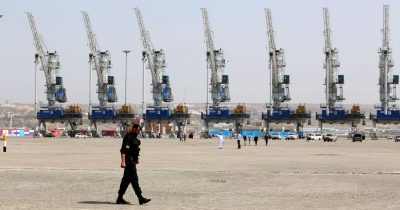
A new US sanctions bill takes aim at Russia's oil exports and the shadow fleet that helps move them. The legislation, introduced in Congress this week, could weaken Russia's economic stability, reduce its capacity for military aggression, and shift the broader geopolitical landscape.
What the bill targets
The bill specifically goes after Russia's oil exports — a key source of revenue for the Kremlin. It also targets the so-called shadow fleet: aging tankers, often with opaque ownership, that Russia has used to bypass earlier Western price caps and insurance restrictions. By hitting both the product and the means of transport, lawmakers aim to close loopholes that have allowed Moscow to keep selling crude at prices above the $60-per-barrel cap set by the G7 last year.
Potential economic impact
If enacted, the sanctions could weaken Russia's economic stability. Oil and gas sales account for roughly a third of Russia's federal budget. A sustained reduction in export revenue would force the government to cut spending, deplete its reserves faster, or print more money — all of which risk higher inflation and a weaker ruble. The International Energy Agency has already noted that Russian oil output is beginning to slip under existing restrictions.
Military implications
The bill's backers argue that hitting Russia's oil income directly reduces its ability to fund the war in Ukraine. With less money coming in, Moscow would face harder choices between paying soldiers, buying new weapons, and maintaining domestic subsidies. The sanctions may reduce Russia's military aggression by starving its war machine of cash. Previous rounds of sanctions have already forced Russia to rely on older equipment and lower-quality ammunition.
Geopolitical consequences
The sanctions could alter geopolitical dynamics. Countries that have continued to buy Russian oil — such as India and China — may come under renewed pressure from Washington to comply. At the same time, Russia could deepen its energy ties with Beijing and Tehran, further polarizing global energy markets. The bill also sends a signal to other nations that using shadow fleets to evade sanctions carries long-term costs.
The legislation now moves to committee for debate. Its fate in the full House and Senate remains uncertain, but the message from Washington is clear: the era of easy Russian oil sales may be ending.