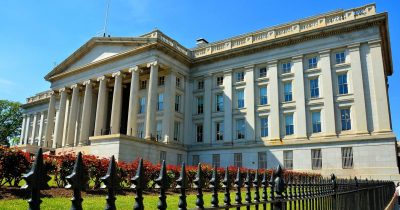
The US Treasury slapped sanctions on nine people Thursday, including Iran’s ambassador to Lebanon, for their ties to Hezbollah. The move is set to ratchet up tensions between Washington and Tehran while piling more pressure on Lebanon’s already fractured political system. Financial institutions worldwide now face the added compliance headache of vetting transactions tied to the newly blacklisted individuals.
Who’s on the list
Among the nine is Iran’s top diplomat in Beirut, a position that gives Tehran a direct line into Lebanon’s power struggles. The Treasury also named several other individuals described as operatives or financiers within Hezbollah’s network. None of the nine are household names outside intelligence circles, but the sanctions freeze any US assets they hold and bar Americans from doing business with them. The ambassador’s inclusion is particularly pointed — it’s rare for Washington to target a serving Iranian envoy.
Why now — and what it means for US-Iran relations
The designations come as talks over Iran’s nuclear program remain stalled and proxy fights across the Middle East keep boiling. By hitting the ambassador, the US is signaling that it sees Hezbollah not as a separate militia but as an arm of the Iranian state. Tehran has long denied directing Hezbollah’s operations, but US officials say the financial and logistical pipeline is clear. Expect Iran to respond with its own sanctions or a sharp diplomatic protest, though neither side seems eager for direct confrontation.
Lebanon’s political squeeze
Lebanon is stuck between donor demands for reform and Hezbollah’s deep-rooted influence. The group holds seats in parliament and backs the current government. Sanctions on its backers make it harder for Beirut to attract foreign investment or secure IMF bailout funds. Banks here already struggle with compliance rules; now they have to check every transaction against a longer blacklist. That slows trade and remittances, two lifelines for a country in economic freefall. Hezbollah’s allies in government may call the sanctions an American overreach, but they can’t undo the chill on Lebanon’s banking sector.
Global financial fallout
Banks from London to Dubai that handle dollar-denominated transactions must screen these nine names against their databases. Failure to freeze assets or report hits can lead to hefty fines or loss of correspondent banking relationships. The compliance burden isn’t new — Hezbollah has been on Treasury’s radar for years — but each fresh round of designations adds another layer of due diligence. Smaller banks with limited compliance staff are most exposed.
The sanctions take effect immediately. US officials say more designations are likely, but they didn’t offer a timeline. What remains unclear is how Lebanon’s government — which includes Hezbollah-backed ministers — will respond. Will it denounce the move publicly while quietly enforcing the freeze? Or will it resist, risking further isolation from Western finance? Those questions are likely to play out in the coming weeks as the Treasury continues to tighten the noose around Hezbollah’s support network.