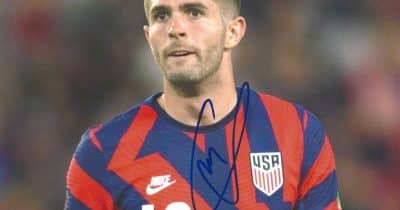
US Soccer has hired Mauricio Pochettino as its next head coach — and the way it paid for him marks a quiet but telling shift. The federation funded the appointment with support from Citadel's Kenneth Griffin, moving away from the crypto-based sponsorship deals that had helped bankroll the program in recent years. The change comes as digital asset markets remain under pressure in 2026, making big-ticket crypto commitments harder to land.
Why the funding model changed
For much of the past cycle, US Soccer leaned heavily on crypto firms for revenue. Sponsorships, naming rights, even coaching salaries were partially underwritten by crypto exchanges and blockchain projects. But the market hasn't recovered from the turbulence of recent years. Several major crypto sponsors have scaled back or defaulted on contracts, leaving the federation scrambling for reliable cash.
Enter Citadel. Griffin's hedge fund isn't a crypto player — it's old-school Wall Street. That's exactly the point. US Soccer's leadership decided they needed a backer whose check wouldn't vanish with the next Bitcoin dip. The hiring of Pochettino, a high-profile name, required a guarantee that crypto alone couldn't provide.
Pochettino's appointment
The Argentine coach, previously at Tottenham and PSG, takes over a US men's national team that has struggled to build on its 2026 World Cup performance. The federation didn't disclose contract terms, but the involvement of Griffin's Citadel signals this is a seven- or eight-figure deal. Pochettino's track record of developing young talent fits the federation's long-term plan — but the immediate task is qualifying for the next cycle.
US Soccer isn't alone. Across the sports world, crypto-backed deals have been unwinding. Stadium naming rights once held by crypto firms are reverting to traditional sponsors. Player endorsement payments in stablecoins are rarer. The Pochettino hiring is another data point that the crypto sponsorship boom is over — at least until the market stabilizes.
For US Soccer, the shift is pragmatic. A federation that needs consistent funding can't afford to bet on volatile assets. Griffin's support gives them a stable platform. But the move also raises questions: will other sports organizations follow? And can crypto ever reclaim its place in major sports sponsorship without a market recovery?
The federation has said nothing about future crypto partnerships. For now, the check came from Citadel, not a blockchain.