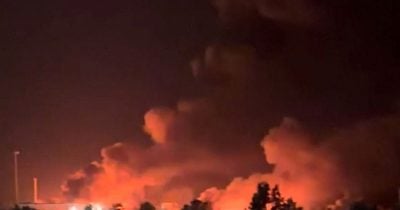
The United States carried out a strike on Iranian infrastructure, significantly escalating tensions between the two nations. The attack, which was confirmed by U.S. officials, has further destabilized the region and dealt a heavy blow to any remaining chances of a diplomatic resolution to the ongoing standoff.
The strike and its immediate fallout
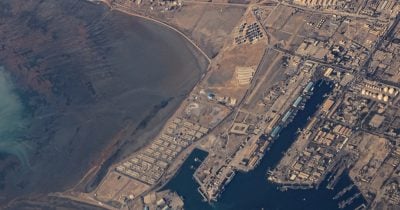
Details of the strike remain limited, but the target was described as Iranian infrastructure. The move marks a sharp escalation in the long-running shadow conflict between Washington and Tehran. The U.S. has not yet provided a detailed justification for the operation, but the action has already drawn sharp condemnation from Iranian leaders.
This is not the first military action between the two countries in recent years, but it is one of the most direct. Previous exchanges have often involved proxy forces or cyber operations. The decision to strike infrastructure inside Iran raises the stakes considerably.
Diplomatic prospects take a hit
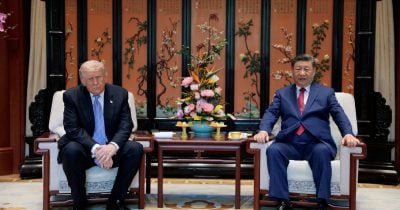
Before the strike, there had been quiet diplomatic signals from both sides. Now, those prospects have all but vanished. The attack diminishes the possibility of a US-Iran diplomatic deal, which had already been fragile after months of stalled negotiations over nuclear issues and regional influence.
Iranian officials responded by vowing retaliation, though they have not specified when or where. The window for talks appears closed, at least for now. Any future negotiations would likely require significant concessions or confidence-building measures that seem unlikely given the current climate.
Regional instability deepens
The strike exacerbates regional instability. Neighboring countries, including Iraq, Saudi Arabia, and the United Arab Emirates, have expressed concern about the potential for spillover violence. Militias backed by Iran operate across the region, and they may view this as a provocation to act.
Shipping lanes in the Persian Gulf, critical for global oil supplies, now face increased risk. The Strait of Hormuz, a chokepoint for about a fifth of the world's petroleum, could become a flashpoint if Iran decides to retaliate by disrupting traffic. Energy markets have already reacted nervously, with oil prices ticking upward.
Risk of broader conflict
The attack increases risks of broader conflict escalation. The U.S. has not made clear its next steps, but the Pentagon has reportedly put additional forces on alert in the region. Iran, meanwhile, has a range of options — from asymmetrical attacks via proxies to direct missile strikes on U.S. assets in the Gulf.
Neither side seems eager for a full-scale war, but the path from here to one is shorter than it was before the strike. The question now is whether either country can dial back the tensions without losing face — or whether the next round of escalation is already in motion.