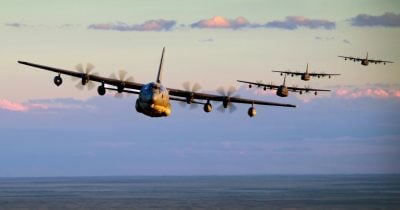
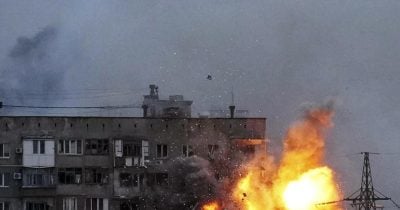
The United States launched a seventh consecutive night of strikes against Iran, extending the most sustained military campaign in the Gulf region in years. The operation, now in its second week, has pushed tensions to a level not seen since the 2020 Soleimani strike, with no sign of de-escalation from either side.
Seventh night of strikes
US forces hit targets inside Iran for the seventh straight night, according to military briefings. The strikes have focused on air defense systems, missile batteries, and command-and-control nodes. Officials have not disclosed the full scope of damage or whether the campaign will expand to other targets.
The White House has framed the operation as a response to Iranian-backed attacks on US personnel and commercial shipping in the Persian Gulf. Iran has not publicly confirmed the extent of the damage but has vowed retaliation.
Airspace closure odds rise
Prediction markets are now pricing in a significant chance that the conflict will force a full closure of Iranian airspace. As of the latest trading, the probability of a complete airspace shutdown by July 31 stands at 28.5%. That figure jumps to 44.5% for a closure by August 31.
A full airspace closure would ground all civilian flights over Iran, a major transit corridor for airlines connecting Europe to Asia. Carriers such as Emirates, Qatar Airways, and Turkish Airlines have already rerouted some flights, but a blanket closure would force longer detours and drive up fuel costs.
Regime stability in question
The sustained strikes have also fueled speculation about the durability of Iran's leadership. Prediction markets currently assign a 10% probability that the regime will fall by 2026. While still a low-probability event, the figure reflects growing uncertainty among traders about the political fallout from the military campaign.
Iran's government has called for emergency UN Security Council meetings and threatened to close the Strait of Hormuz if the strikes continue. The US has warned that any such move would be met with overwhelming force.
The next 48 hours will be critical. Diplomats are scrambling to arrange a ceasefire, but no talks have been confirmed. If the strikes continue into an eighth night, the odds of a full airspace closure could rise further, reshaping global aviation and energy markets.