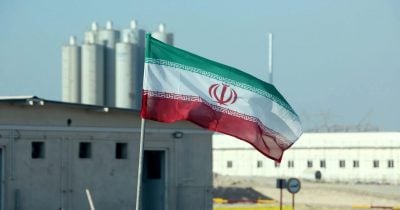
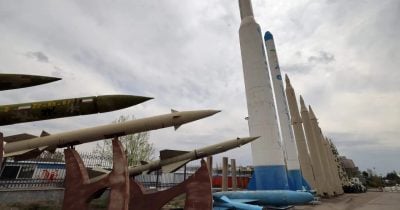
US airstrikes have hammered Iranian military targets for eight consecutive nights, and a prediction market now puts the odds of Iranian military action against a Gulf state on July 22 at 56.5%. The strikes, which began without a formal declaration of war, have so far focused on missile batteries, drone facilities, and naval installations inside Iran. The market's reading suggests traders believe a retaliatory strike on a Gulf neighbor is more likely than not within the next 48 hours.
Eight Nights of Strikes
The campaign started with a single night of precision bombing and has since expanded into a sustained operation. Each night, US aircraft have hit new targets, moving from coastal defenses to inland command centers. The Pentagon has not commented on the duration of the operation, but the pattern suggests a deliberate strategy of attrition rather than a single knockout blow. Iranian air defenses have been degraded, but not eliminated.
On the ground, there are no reports of civilian casualties from the US strikes, though Iranian state media has shown footage of damaged military infrastructure. The strikes have drawn condemnation from Russia and China, while Gulf states have remained publicly silent. Behind the scenes, diplomats say the region is bracing for what comes next.
What the Prediction Market Shows
A widely followed prediction market now gives a 56.5% probability that Iran will launch a military attack against a Gulf state on July 22. The market does not specify the target or the nature of the attack — it could be a missile strike, a drone swarm, or a naval incident. The odds have climbed steadily over the past three days, up from 32% when the US strikes began.
Prediction markets are not always accurate, but they aggregate the bets of thousands of traders who have money on the line. A reading above 50% suggests the consensus is that an attack is the base case. The market does not factor in US or Israeli preemptive action, which could change the calculus.
Potential Targets and Scenarios
If Iran does strike a Gulf state, the most likely targets are US military bases in Qatar, the UAE, or Bahrain. These bases host American aircraft and naval assets that have been used in the strikes. Iran could also target oil infrastructure in Saudi Arabia or the UAE, aiming to disrupt global energy markets. A less likely but more dangerous scenario is a direct attack on a Gulf capital.
Iran has a history of using proxies, but the current situation is different. The US is striking Iranian soil, not proxy forces. That could push Tehran to respond directly, using its own missiles or drones. The 56.5% probability reflects that direct-action risk.
The Gulf states themselves are in a bind. They host US bases but also maintain diplomatic ties with Iran. A retaliatory strike would force them to choose sides. Some have already begun evacuating non-essential personnel from border areas.
The coming hours will tell whether the prediction market's forecast holds. July 22 is a Saturday — a day when markets are closed and attention is lower. That might be exactly the window Iran would choose.