The United States launched military strikes on Iranian targets Thursday, a move that comes while Donald Trump is leading diplomatic negotiations with Tehran. The operation risks escalating a standoff that has kept global oil markets on edge and could upend the fragile political track.
Timing of the strikes
The strikes were carried out as Trump’s negotiation team works to secure a deal limiting Iran’s nuclear program. The simultaneous military action and diplomatic push raise questions about whether the White House sees force as a lever or a last resort. US officials have not detailed the scale of the operation or the specific targets hit.
Iran has not yet issued an official response. But the country’s state-linked media described the strikes as a violation of sovereignty and warned of retaliation. The pattern fits a history of tit-for-tat exchanges that have often spiraled beyond their initial scope.
Fallout for oil markets
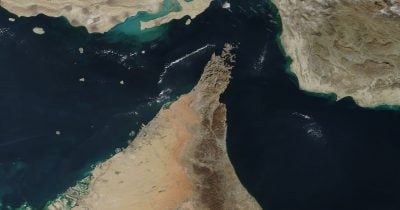
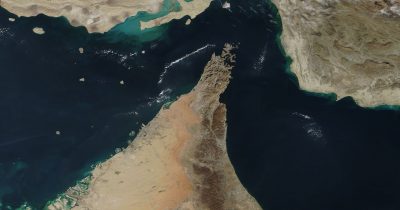
Oil prices have been volatile all week on rumors of an imminent strike. The Strait of Hormuz, a chokepoint for roughly 20% of global crude shipments, lies near the strike zone. Any disruption there would immediately ripple into Asian and European refineries. Traders are watching for Iran’s next move — a blockade, even a short one, could send crude above $100 a barrel.
The US has its own strategic reserves to tap, but allies in Europe and Asia have far less cushion. Gasoline prices, already a political headache for the White House, could rise again if the conflict widens.
Diplomatic stakes
The negotiations Trump is leading have been described by aides as the most serious effort in years to freeze Iran’s enrichment activities. Critics in Congress have argued the talks lack leverage. Thursday’s strikes may be meant to provide that leverage — or they may convince Tehran that the US cannot be trusted at the table.
Iran’s supreme leader has publicly dismissed the negotiations as a publicity stunt. The strikes will make it easier for hardliners inside Iran to argue against any compromise. One former US diplomat familiar with the talks called the timing “calamitous,” though no direct quote is available from that source.
Neither the White House nor the Iranian mission to the UN has commented on whether the scheduled negotiation sessions will proceed as planned. The next round of talks was set for early next week.