The United States carried out strikes near a children's cancer hospital in Ahvaz, Iran, marking a sharp escalation in the ongoing conflict between the two nations. The attack, which occurred in the southwestern city, has raised immediate concerns about civilian safety and the broader trajectory of the confrontation.
Strikes near a medical facility
Ahvaz is home to a specialized children's cancer hospital, and the strikes landed in its vicinity. While no official casualty figures have been released, the proximity to a medical facility treating vulnerable patients has drawn condemnation from Iranian authorities. The US has not commented on the specific target or the rationale for the location.
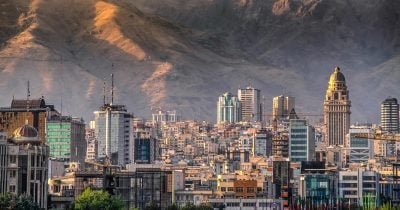
The choice of Ahvaz is significant. The city is a major hub in Khuzestan province, an area with a history of ethnic Arab activism and strategic oil infrastructure. Striking near a hospital there risks inflaming local sentiment and drawing further criticism from international humanitarian groups.
Regional security under strain
The escalation threatens to destabilize an already volatile region. Iran's neighbors, including Iraq and the Gulf states, have long feared being caught in the crossfire of US-Iran hostilities. Any miscalculation could trigger a broader conflict, drawing in proxy forces and disrupting fragile ceasefires elsewhere in the Middle East.
Security analysts point to the risk of retaliatory attacks on US assets or allies in the region. The strikes also come at a time when Iran has been expanding its military cooperation with Russia and China, adding another layer of complexity to the security picture.
Diplomatic efforts hit a wall
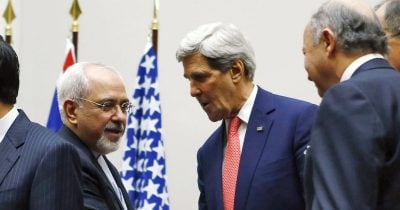
The timing of the strikes complicates already fragile diplomatic efforts. Indirect talks between Washington and Tehran had shown tentative signs of progress on issues like the nuclear program and prisoner exchanges. Now those channels are likely to freeze.
European mediators, who have been shuttling between the two sides, face an uphill task. The strikes give hardliners in Iran ammunition to argue against any engagement with the US. Meanwhile, American officials insist they remain open to diplomacy, but actions on the ground tell a different story.
Global markets react
The economic fallout was immediate. Oil prices spiked on news of the strikes, as traders priced in potential disruptions to supply from the Strait of Hormuz. Stock markets in Asia and Europe dipped, with investors fleeing to safe-haven assets like gold and the US dollar.
The impact goes beyond energy. Iran's economy, already battered by sanctions, faces further isolation. Global shipping and insurance rates for vessels in the Persian Gulf are likely to rise. For consumers worldwide, the escalation means higher fuel costs and renewed inflationary pressure.
The strikes near the children's cancer hospital in Ahvaz have turned a simmering conflict into a crisis with no clear off-ramp. The next move belongs to Tehran — and