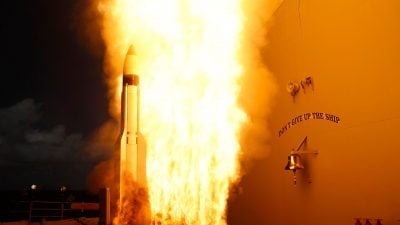
The US military carried out strikes near the Iranian city of Shadegan on Tuesday, marking a sharp escalation in the ongoing 2026 conflict. The operation comes as a prediction market now puts a 54.5% probability on a full closure of Iranian airspace by August 31.
What happened near Shadegan
Shadegan lies in Khuzestan province, close to the Iraqi border and major oil infrastructure. The US military confirmed the strikes but did not specify targets or the number of aircraft involved. Local reports described explosions heard in the area, though no immediate casualty figures were released.
The strikes are the latest in a series of US operations inside Iran since the conflict began earlier this year. The Pentagon has framed them as defensive, aimed at disrupting Iranian missile and drone capabilities. Iran has vowed retaliation, raising fears of a broader war.
The prediction market signal
A prediction market tracking the conflict now shows a 54.5% chance that Iran will fully close its airspace to civilian and military traffic by the end of August. That figure has climbed steadily over the past week, up from 38% before the Shadegan strikes.
Prediction markets aggregate bets on future events and are often used by analysts as a real-time gauge of geopolitical risk. The 54.5% mark suggests traders see a full airspace shutdown as more likely than not, though the outcome remains uncertain.
If Iran does close its airspace, the move would ground flights over a key corridor connecting Europe, the Middle East, and Asia. Airlines have already rerouted some flights away from Iranian airspace, but a complete closure would force longer detours and drive up fuel costs.
What a full airspace closure would mean
Iran sits under one of the world's busiest air traffic corridors. A full closure would block overflights for carriers like Emirates, Qatar Airways, and Turkish Airlines, which rely on Iranian airspace for routes to Europe and North America. The alternative — flying around Iran via Saudi Arabia, Iraq, or the Caucasus — adds hours to flight times and strains already congested airspace.
The US Federal Aviation Administration has already issued warnings to US carriers about flying over Iran. European regulators are expected to follow suit if the situation deteriorates further. The August 31 deadline in the prediction market aligns with the end of the summer travel peak, a period when airlines are most vulnerable to disruptions.
For now, the strikes near Shadegan have not triggered an immediate closure. But the rising probability on the prediction market suggests traders expect the conflict to escalate further before the month ends.