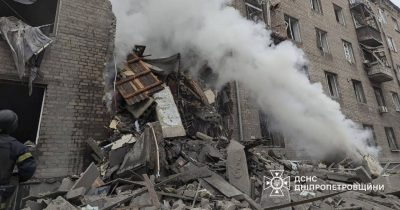
The United States military strikes against targets in Iran are undercutting ongoing diplomatic efforts, according to officials familiar with the situation. The attacks risk pushing the region toward a broader conflict and making it harder for Washington to pursue a negotiated solution.
Why the strikes backfire on diplomacy
Diplomatic channels had shown signs of opening in recent weeks. But the strikes have damaged the trust needed for any meaningful talks. Iranian officials have signaled they will not return to the negotiating table while attacks continue. The US action, meant to deter further provocations, may instead harden Tehran's position.
Military escalation now a live danger
With no clear off-ramp, both sides are edging closer to a direct military confrontation. The strikes have not eliminated Iran's ability to retaliate. Analysts within the administration acknowledge that the risk of miscalculation is high. A single misstep could trigger a cycle of strikes and counterstrikes that neither side fully controls.
Regional stability hangs in the balance
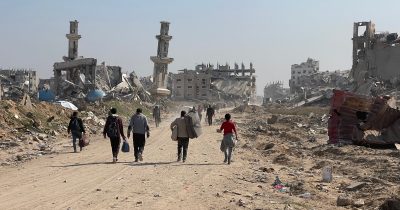
Neighboring countries are watching warily. Gulf states fear being drawn into a conflict they don't want. Iraq and Lebanon, where Iran has proxies, could become flashpoints. The strikes have also complicated US relations with European allies, who had been pushing for restraint. The broader Middle East peace architecture looks more fragile than it did a week ago.
No timeline has been set for renewed talks. The next steps from both Washington and Tehran will determine whether this crisis deepens or finds a diplomatic release valve.