The United States has carried out strikes on Iranian targets, the Pentagon confirmed, as the number of US soldiers injured in the region since July approaches 100. The operations come as prediction markets assign low odds to a return to normal traffic through the Strait of Hormuz in the near term.
The toll on US forces
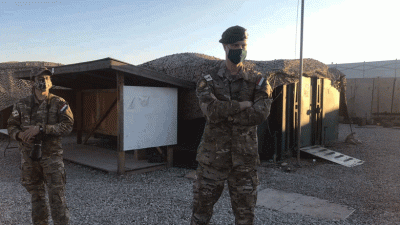
Nearly 100 US service members have been reported injured since July, according to the Pentagon. The figure, which has not been broken down by severity, underscores the sustained risk to American personnel deployed in the Middle East. The injuries have occurred amid ongoing operations against Iranian-backed groups.
Market signals on the conflict
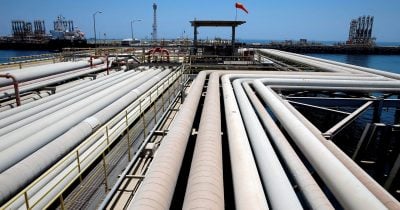
Prediction market data released this week shows traders see a 13.5% probability that the Strait of Hormuz — a critical chokepoint for global oil shipments — will return to normal flow by August 31. The same data gives a 25.5% chance of a US invasion of Iran before 2027. The numbers reflect a market that is pricing in a protracted confrontation rather than a quick resolution.
What the strikes mean
The US has not detailed the specific targets of the recent strikes, but the operations are part of a broader effort to degrade Iran's military capabilities and deter further attacks on American forces. The Pentagon has said the strikes are a direct response to threats against US personnel and assets in the region.
There is no set timetable for the next phase of operations, and the Pentagon has not announced any immediate changes to force posture. Prediction market data shows a 13.5% probability that Strait of Hormuz traffic will return to normal by August 31, indicating traders expect continued disruption.