US military strikes on ports in southern Iran have triggered fuel shortages across the region and sent global oil prices climbing. The attacks targeted key infrastructure near the Strait of Hormuz, a chokepoint that handles roughly 20% of the world's oil supply.
What the strikes hit
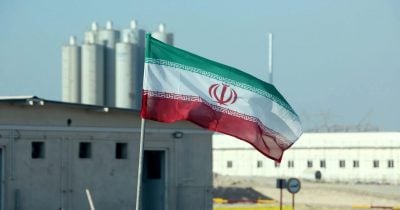
American warplanes and naval assets struck multiple port facilities in Iran's southern coastal provinces over the past 48 hours. The operations focused on fuel storage depots and loading terminals used for both domestic distribution and export. Iranian state media reported fires at two major ports, though independent verification remains limited.
The strikes come amid heightened tensions between Washington and Tehran over Iran's nuclear program and its support for proxy groups in the Middle East. The US has not officially confirmed the scope of the operation, but defense officials described it as a targeted effort to degrade Iran's ability to move fuel through the region.
Fuel shortages take hold
Within hours of the attacks, reports of gasoline and diesel shortages emerged from several Iranian cities. Long lines formed at filling stations in Bandar Abbas, Shiraz, and parts of Tehran. Drivers reported waiting more than two hours for fuel, and some stations closed entirely after running dry.
The disruptions extend beyond Iran. Traders said shipments of crude and refined products passing through the Strait of Hormuz have slowed as insurers raise premiums for vessels transiting the waterway. The strait connects Persian Gulf producers to global markets, and any sustained disruption there can ripple through supply chains worldwide.
Oil markets react
Brent crude futures jumped more than 4% in early trading Monday, crossing $85 a barrel for the first time in three weeks. West Texas Intermediate followed suit, gaining roughly $3.50. Analysts at several trading houses noted that the market had been pricing in a low probability of direct strikes on Iranian energy infrastructure. That assumption is now being revised.
The price increase compounds upward pressure from OPEC+ production cuts and recovering demand in Asia. The International Energy Agency warned last week that spare capacity in the global oil system is thinner than official figures suggest, making the market more vulnerable to supply shocks.
What comes next
Iran has threatened to retaliate, though it has not specified how or when. Any attempt to block the Strait of Hormuz would trigger a far more severe crisis, but Tehran has used that threat as leverage in past standoffs. For now, the immediate concern is whether fuel rationing will spread to other parts of the country and how long it will take to repair the damaged port facilities.
The US has not signaled whether additional strikes are planned. The White House said it is monitoring the situation and consulting with allies. No timeline for de-escalation has been offered.