The United States has linked its next steps in the ongoing blockade standoff to Iran's delivery on specific commitments, a conditional approach that could calm regional tensions but leaves the endgame unclear. The shift, confirmed in the latest round of negotiations, means Washington will hold back on certain actions until Tehran meets verifiable obligations.
Why the conditionality matters
Under the new framework, the US is no longer acting unilaterally. Instead, each American move is paired with a prior step from Iran — a design meant to build trust after months of mutual accusations. But it also creates a chicken-and-egg problem: neither side wants to go first, and the sequencing has become the main sticking point.
Negotiators describe the arrangement as a series of interlocking commitments, not a single grand bargain. That's a deliberate choice. Smaller, incremental steps are easier to verify and harder to walk back. But the trade-off is speed. What could have been a quick agreement now stretches into a longer, more fragile process.
Market and diplomatic fallout
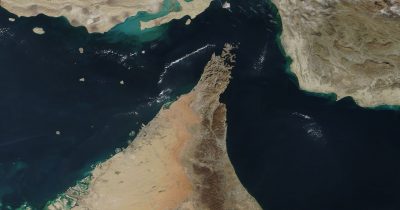
Global markets are watching closely. The uncertainty has kept energy prices volatile, with traders pricing in the risk of a breakdown as much as a breakthrough. Shipping routes in the region remain under pressure, and insurers have raised premiums on cargo transiting the blockade zone.
Diplomatically, the conditional approach has split US allies. Some European capitals see it as a pragmatic way to avoid a wider war, while others worry it gives Iran room to stall indefinitely. Regional players are also uneasy: a prolonged standoff keeps their own supply lines exposed, even if a full conflict is averted.
The US administration defends the strategy as realistic. Officials argue that unconditional concessions would only invite further escalation. But they concede that the process is fragile — one missed deadline could unravel the whole structure.
Negotiations are set to resume next week, with a proposed timeline for the first round of mutual steps on the table. The immediate question is whether Iran will make the first move, or whether the US will adjust its conditions to break the logjam.
No one is predicting a quick end. The blockade itself remains in place, and the underlying disputes over shipping rights and regional influence are unresolved. For now, both sides seem willing to keep talking — but the longer the conditionality lasts, the harder it will be to keep the process on track.