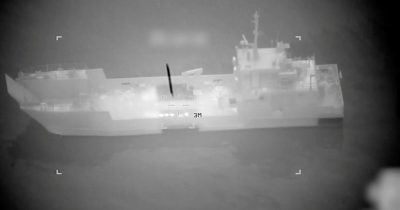
The United States has intensified enforcement of its naval blockade against Iran in key maritime areas, escalating pressure on Tehran's oil exports and military movements. The move comes as prediction markets assign just an 11.5% probability that shipping traffic through the Strait of Hormuz will return to normal by August 31.
Strait of Hormuz remains a flashpoint
The narrow waterway, through which about a fifth of the world's petroleum passes, has been a persistent source of tension. The US blockade, which targets vessels suspected of carrying Iranian crude or weapons, has been stepped up in recent weeks. Officials have not detailed specific changes in rules of engagement, but the increased enforcement is visible in the number of intercepts and inspections reported by naval forces in the region.
Iran has repeatedly threatened to close the strait in response to pressure, though it has not followed through. The current escalation raises the risk of miscalculation between US and Iranian patrols.
What the prediction market says
Polymarket, a decentralized prediction platform, currently shows an 11.5% chance that the Strait of Hormuz will see normal traffic flow by the end of August. That figure has fluctuated in recent days as news of the tighter blockade emerged. The market allows users to bet on geopolitical outcomes, and the low probability reflects widespread doubt that the situation will de-escalate quickly.
The odds imply that traders see a roughly 1-in-9 chance of a resolution within the next two months. No specific trigger for normalization has been identified by the market, but the low number suggests that most participants expect continued disruption.
Impact on global shipping and oil markets
While the facts do not include specific price movements or shipping data, the Strait of Hormuz is a critical chokepoint. Any sustained disruption would likely affect global oil supplies and insurance rates for tankers transiting the region. The US enforcement campaign adds another layer of uncertainty for shippers already navigating sanctions and regional instability.
Maritime security analysts have noted an increase in naval presence, but no official statements from the US Navy or allied forces have confirmed a formal change in policy. The intensification appears to be operational rather than declaratory.
The next few weeks will test whether the US can sustain the pressure without triggering a broader confrontation. The prediction market's low odds suggest that traders are betting on continued tension, not a quick return to normal traffic through the strait.