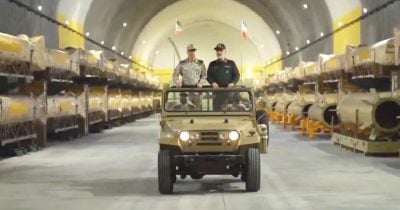
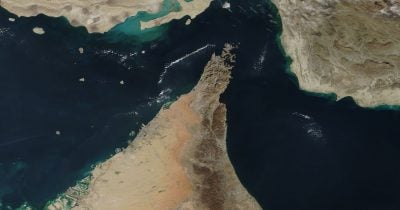
The US will keep its naval blockade on Iran in place indefinitely, a decision that could escalate regional tensions, rattle global markets, and stretch military resources for years. The move comes amid ongoing tensions between Washington and Tehran, with no end date set for the operation.
A Blockade Without a Clock
The indefinite nature of the blockade is the key shift. Previous naval deployments in the region have typically come with a defined mission or a review date. This one doesn't. That means US warships will continue patrolling Iranian waters, stopping and inspecting vessels, and enforcing restrictions on maritime traffic — for as long as the White House decides.
What that looks like in practice is a sustained military presence with no off-ramp. The blockade isn't a short-term show of force; it's a long-term posture. And that changes the calculus for everyone involved.
Global Markets Brace for the Fallout
An indefinite blockade doesn't just affect the two countries at the center of the standoff. It sends a signal to every trader, shipper, and insurer who moves goods through the region. The Persian Gulf is a critical artery for oil and gas, and any disruption there tends to ripple outward.
Markets are already jittery. The longer the blockade stays in place, the more likely it is that shipping costs climb, delivery times stretch, and energy prices fluctuate. None of that is hypothetical — it's the direct consequence of a naval cordon that has no expiration date.
The uncertainty itself is a problem. When businesses can't plan around a clear end point, they hedge, they hoard, they raise prices. That's the kind of economic friction that can outlast the military operation itself.
Regional Tensions, Amplified
Iran isn't the only country watching the blockade. Its neighbors, many of whom rely on the same waterways, are now forced to navigate a more volatile environment. The indefinite nature of the operation raises the stakes: it's not a temporary inconvenience, but a permanent feature of the region's security landscape.
That could push other nations to respond in ways they wouldn't have if the blockade had a clear timeline. Some may increase their own naval patrols. Others might seek diplomatic reassurances. A few could even try to test the blockade's limits, which is exactly the kind of incident that spirals.
The risk of miscalculation grows with every month the blockade continues. A single encounter between a US vessel and an Iranian boat could turn a standoff into a firefight. And with no end in sight, the chances of that happening only increase.
The Long Military Haul
For the US Navy, an indefinite blockade means a permanent commitment of ships, crews, and supplies. That's not a trivial cost. Every destroyer stationed off Iran is a destroyer that isn't somewhere else — in the South China Sea, in the Mediterranean, or at home for maintenance.
Prolonged deployments wear on personnel and equipment. The Navy has been stretched thin for years, and adding an open-ended mission to the roster doesn't make that easier. The longer the blockade runs, the more it will show up in readiness reports and retention numbers.
There's also the question of money. Fuel, food, ammunition, and replacement parts all add up. An indefinite operation is a blank check, and that's a hard thing to defend in a budget hearing.
No timeline has been set for a review of the blockade, and its duration remains an open question. That's the one thing everyone — allies, adversaries, and the sailors on the water — is waiting to hear.