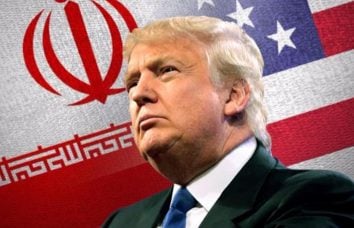
The United States has warned Iran that it could face military action if it rejects a proposed ceasefire deal, according to official statements. The warning, delivered in recent days, escalates pressure on Tehran to accept terms aimed at ending ongoing hostilities in the region.
Why the warning was issued
The ceasefire deal, brokered through international mediators, is seen as a key step toward de-escalation. Washington's message makes clear that a refusal would trigger consequences beyond diplomatic isolation. The exact nature of the potential military action has not been disclosed, but the threat signals a shift toward a more forceful approach.
What the deal entails
While the full details of the ceasefire proposal remain under wraps, it is understood to include provisions for a halt to fighting, withdrawal of forces, and a framework for longer-term negotiations. Iran's response to the deal is now under close scrutiny by regional and international actors.
Iran's position
Iran has not officially responded to the warning. In the past, Tehran has resisted external demands, often citing its national sovereignty. The current leadership faces internal pressure over economic conditions, which may influence its decision. However, the threat of military action complicates the calculus.
What comes next
The coming days are critical. If Iran rejects the deal, the US has signaled it is prepared to act. Meanwhile, diplomatic channels remain open, and mediators continue to press for a peaceful resolution. The world waits to see whether Tehran will accept the terms or brace for confrontation.