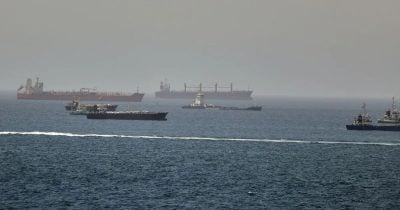
A Vietnamese oil company has formally requested that the US Navy permit one of its tankers to transit the Strait of Hormuz despite an ongoing blockade there. The appeal highlights the growing pressure on commercial shipping as geopolitical tensions in the region continue to disrupt global oil flows.
The blockade's chokehold on trade
The Strait of Hormuz is a narrow waterway connecting the Persian Gulf to the open ocean. Roughly a fifth of the world's petroleum passes through it daily. Any sustained closure — even a partial one — threatens to rattle supply chains and push up energy prices. The current blockade, whose enforcing party the company did not name in its request, has already made insurers skittish and forced some shippers to reroute.
What the company wants
In its appeal to the US Navy, the Vietnamese firm asked for safe-passage assurances for a single tanker. The company did not disclose the vessel's name, cargo size, or destination. It is unclear whether the Navy has responded or under what authority it could grant such a request. The US Fifth Fleet, based in Bahrain, patrols those waters but has not publicly announced any policy on escorted transits during the blockade.
Risks for the crew and the cargo
Sending a tanker through a contested strait carries obvious dangers: possible interception, detention, or worse. The company appears willing to accept those risks if the Navy clears the way. But a one-off passage would not solve the broader problem. Even if this tanker gets through, dozens of other vessels carrying crude from Saudi Arabia, Iraq, and the UAE remain stuck or delayed on either side of the strait.
The request also puts the US Navy in a delicate position. Granting it could be seen as picking sides in a regional confrontation. Denying it might alienate an ally and fuel criticism that Washington is not doing enough to keep sea lanes open.
What comes next
The Vietnamese oil firm has not set a public deadline for a reply. But with a tanker likely sitting idle and incurring demurrage costs, commercial pressure will only mount. The Navy's decision — or silence — will set a precedent for other shippers watching from the sidelines.