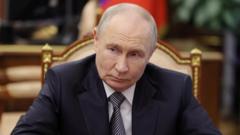
Construction crews have begun erecting a full-scale UFC arena on the White House grounds, officials confirmed Tuesday, part of the 250th anniversary celebrations of the U.S. Declaration of Independence. The cage fight—slated for July 4—marks the first time a mixed-martial-arts event has been staged at the executive residence, and it's already generating questions far beyond the octagon.
Why crypto traders should care
On its face, a White House cage match has zero direct impact on Bitcoin order books. But the administration's willingness to turn the South Lawn into a fight venue signals something broader: a government comfortable with disruption, spectacle, and risk-taking. For an industry that has spent years battling regulatory uncertainty, that cultural posture matters. If the same White House greenlights a UFC brawl, it may be less inclined to crack down on volatile assets that appeal to a similar populist, anti-establishment crowd.
📊 Market Data Snapshot
The timing isn't incidental. The 250th anniversary comes amid a bear market—Fear & Greed sits at 25, Extreme Fear—and the administration faces pressure to distract from economic anxieties. A cage fight is a ready-made headline grabber.
What the funding source could reveal
One question most outlets will skip: who's paying for the arena? If taxpayer dollars are footing the bill, it raises eyebrows about priorities during a crypto winter and inflation hangover. If private sponsors are involved—say, a crypto exchange or sports-betting firm—that sets a precedent for corporate access to the White House grounds. Either way, the answer will tell you which lobbyists are getting face time.
No official disclosure on funding has been made yet. Expect calls for transparency from both parties as the event approaches.
A distraction from enforcement?
Regulatory actions have slowed in recent months, and a White House consumed by event planning is unlikely to pick fights with the SEC or push controversial stablecoin legislation before July 4. That could give crypto markets a quiet window—no surprise enforcement announcements, no heated congressional hearings. For traders, that's a neutral-to-slightly-bullish backdrop, even if the ultimate catalyst remains macro data and Fed policy.
The UFC spectacle also aligns with a broader administration bet on populist entertainment. If the bet pays off, it may embolden the White House to take a permissive stance on other disruptive sectors—including decentralized finance.
The arena is expected to be complete by mid-June. Fight cards haven't been announced, but the event is likely to draw top UFC talent. Crypto watchers should listen for any policy remarks made from the octagon—or in the press conferences that follow. A throwaway line about “innovation” or “financial freedom” could move markets more than the fight itself.