The White House confirmed this week that there are no active talks between the United States and Iran, a disclosure that comes as tensions in the Strait of Hormuz show no sign of cooling. The confirmation effectively closes off the diplomatic lane, and analysts expect the standoff to drag on, with global markets and diplomatic prospects left to absorb the strain.
Why the Confirmation Matters
For weeks, the absence of a formal channel between Washington and Tehran had been more of an open secret than a stated fact. Now it's official. The White House's acknowledgment removes any lingering doubt about whether quiet negotiations might be under way behind the scenes. It also signals that neither side sees much value in sitting down, at least for now.
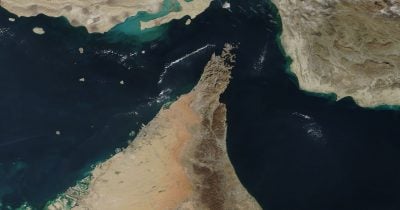
The timing is anything but neutral. The Strait of Hormuz, a narrow waterway that carries a major share of the world's oil, has become a flashpoint again. With no talks, there's no built-in mechanism to de-escalate, and small incidents can spiral without a direct line between capitals.
What the Stalemate Means for Markets
Investors have been watching this for a while. The longer there's no US-Iran dialogue, the longer the risk premium sticks to crude prices and shipping costs. The confirmation is a signal that the geopolitical overhang won't lift on its own. For commodities traders, it's a cue to keep pricing in disruption. For broader markets, it's another reason to hedge against a sudden spike.
The lack of talks also complicates the diplomatic calendar. Other countries have tried to step in as intermediaries, but without direct engagement between the two main parties, their efforts are working with a ceiling. Any agreement that might ease shipping risks or restore some predictability to energy flows is now harder to imagine.
The Diplomatic Outlook
The confirmation leaves the field open for regional players to try to shape the outcome, but their leverage depends on Washington and Tehran being willing to listen. That willingness hasn't appeared. The White House's statement doesn't rule out future talks, but it makes clear that none are happening now.
For the region, that's a longer stretch of instability. For the rest of the world, it's a quiet reminder that the Strait of Hormuz remains a pressure point that no one has a clean way to release. The question now is not when talks might resume, but what it will take to get both sides back to the table. There's no date on the calendar, and the silence from both capitals is the only answer so far.