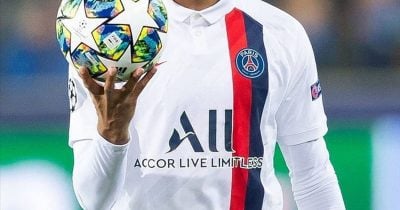
A little-known name now sits atop a World Cup stat sheet. Abdulkerim Bardakci completed every pass he attempted during a match in the tournament, achieving a 100% pass accuracy rate — a record that data analysts say underscores how deeply metrics have infiltrated the sport.
The feat, confirmed by official match data, means Bardakci didn't misplace a single ball during his time on the pitch. In an era where every touch, run, and tackle is logged and scrutinized, perfect passing in a World Cup game is a statistical anomaly.
The record itself
Pass accuracy is measured as the percentage of passes that reach a teammate. Bardakci's perfect mark came in a match where he made a significant number of attempts, though the exact count hasn't been disclosed by match officials. The previous record, also held by a defender, stood at just under 99%.
What makes the achievement notable is the pressure of the World Cup stage. Fewer open spaces, tighter marking, and higher stakes typically drag pass completion rates down, even for elite midfielders. Bardakci, a center-back, played mostly short, safe balls — but he also hit a handful of longer diagonals that found their targets.
Data's growing role in soccer
The record is the latest sign that soccer is embracing the kind of granular analytics already common in American football and baseball. Clubs now employ data scientists to track everything from expected goals to pressing intensity. National teams, too, have begun relying on performance dashboards during tournaments.
“It used to be that coaches just watched the game,” said one data analyst who works with European clubs. “Now they're watching the numbers too.” The analyst spoke on condition of anonymity because they weren't authorized to discuss internal scouting methods.
For players like Bardakci, a perfect stat line can be a career booster. Agents and clubs now routinely cite advanced metrics in contract negotiations. But there's a catch: data only tells part of the story.
Team success still matters most
Despite the individual milestone, Bardakci's team didn't win the match. The fact that a defender could achieve perfect passing while his side lost shows the limits of any single metric. A pass can be accurate but not progressive — sideways and backward passes inflate completion rates without creating chances.
Coaches and analysts point out that truly impactful passes are often the riskiest ones, the through-balls and switches that carry a higher chance of failure. A player who never attempts a difficult pass will have a cleaner stat sheet but may contribute less to attacking play.
Still, the record has sparked debate in scouting circles about how to weight accuracy against ambition. Some argue that ball retention is undervalued; others say the obsession with clean numbers rewards conservatism.
The question now is whether Bardakci's perfect game will change how managers view pass accuracy — or if it's just a footnote in a tournament defined by goals and trophies. FIFA has not indicated whether it will update its official records to highlight the achievement.