The Wall Street Journal has published an annotated analysis of a US draft Memorandum of Understanding with Iran, offering the first detailed look at what a potential nuclear deal might include. The draft MOU, if finalized, could stabilize Middle East tensions, reshape global oil markets, and influence inflation trends—but key diplomatic hurdles remain.
What the Draft MOU Could Mean for Regional Stability
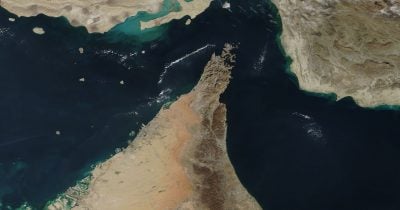
According to the WSJ’s breakdown, the draft agreement outlines steps that could de-escalate the long-running confrontation between the US and Iran. Analysts following the negotiations note that any credible deal would reduce the risk of conflict in the Persian Gulf, a flashpoint that has kept energy markets on edge for years. The analysis doesn’t specify exact provisions, but the broader implication is clear: a formal understanding would lower the temperature in a region that accounts for nearly a third of the world’s seaborne oil trade.
Oil Prices and Inflation in the Balance
Lower Middle East tensions almost always translate into lower risk premiums on crude. The draft MOU, if enacted, could push global oil prices down as traders bet on stable supply routes. That, in turn, would ease pressure on inflation in the US and other importing nations. The WSJ analysis notes that the deal’s impact on inflation is indirect but significant: cheaper oil means cheaper gasoline, transportation, and manufacturing inputs. The Federal Reserve, which has been wrestling with stubborn price pressures, would welcome any relief.
US-Iran Diplomatic Dynamics
The draft MOU represents the most concrete step in US-Iran diplomacy since the 2015 Joint Comprehensive Plan of Action unraveled. The WSJ’s annotated version highlights both the opportunities and the pitfalls. On one hand, a deal would restore a framework for inspections and limits on Iran’s nuclear program. On the other, hardliners in both Washington and Tehran have reasons to oppose it. The analysis underscores that the MOU is still a draft—nothing is signed, and the political landscape on both sides remains volatile.
What Comes Next
Neither the White House nor Iran’s foreign ministry has commented publicly on the draft. The WSJ analysis provides a roadmap, but diplomacy moves slowly. Whether the deal can survive domestic opposition, technical disagreements, and the next crisis in the region is the open question. For now, the draft sits on the table—and