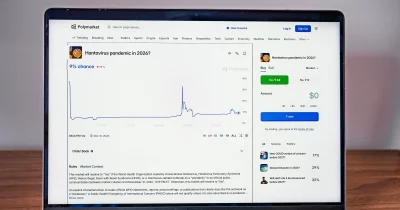
A hantavirus outbreak aboard the cruise ship MV Hondius sent shares of Moderna (MRNA) soaring more than 36% over ten trading days, from $43.69 on May 1 to $59.45 on May 11, 2026. The rally came as investors bet on the company's vaccine expertise following disclosure of a hantavirus vaccine collaboration with the U.S. Army Medical Research Institute of Infectious Diseases.
The Outbreak and the Rally
The MV Hondius, operated by a Dutch cruise line, reported a cluster of hantavirus infections among passengers and crew. Hantavirus can cause severe respiratory illness, and there is no approved vaccine for human use. Moderna’s existing mRNA platform and its newly revealed partnership with USAMRIID positioned the biotech firm as a potential frontrunner to develop a shot.
Over those ten days, trading volume spiked as retail and institutional buyers piled in. The move added roughly $2.7 billion to Moderna’s market cap, though the company had not yet announced any formal development timeline for a hantavirus vaccine.
Mixed Signals in Moderna’s Financials
The rally came alongside Moderna’s first-quarter 2026 earnings, which showed revenue of $389 million — up 260% from the same period a year earlier. The growth was driven by international vaccine deliveries, including COVID-19 boosters and early shipments of its respiratory syncytial virus shot.
But the quarter also carried a heavy charge: an $878 million litigation settlement with Arbutus Biopharma. That liability slashed net income and raised questions about the company’s cash position, though executives downplayed the long-term impact during an earnings call.
Emergent BioSolutions Takes a Hit
While Moderna rallied, rival vaccine maker Emergent BioSolutions (EBS) saw its stock collapse. Shares fell 44.36% from $14.07 to $7.53, driven by lingering fallout from a 2021 contamination scandal at its Baltimore Bayview facility. That plant had been contracted to manufacture Johnson & Johnson’s COVID-19 vaccine under a $480 million deal, but a mix-up of ingredients led to millions of doses being discarded.
Emergent’s first-quarter 2026 revenue dropped 30% year over year to $156.1 million, as U.S. government orders for medical countermeasures dried up. The company’s full-year 2026 revenue guidance came in below Wall Street consensus, further depressing the stock.
BioNTech’s Legacy Looms
BioNTech, the German partner that co-developed COMIRNATY with Pfizer, remains a distant benchmark. The company delivered 2.6 billion vaccine doses across 165 countries in 2021 and posted peak annual revenue of €18.98 billion that same year. Both Moderna and Emergent are far smaller, but the hantavirus outbreak has reopened the question of whether mRNA technology can be rapidly deployed against new threats.
For now, Moderna’s focus is on its USAMRIID collaboration. The Army institute has not yet announced clinical trial dates for a hantavirus candidate. Investors will be watching for any update on that front — and for the MV Hondius outbreak to be contained before it spreads further.