Nature published an article this week titled 'Iran’s Internet blackout: a scholar’s month in the dark,' recounting the country's roughly month-long internet shutdown that hit in April. The blackout cut off millions, including crypto miners who suddenly went dark. But while most coverage framed the event as a blow to crypto adoption, a contrarian read is gaining traction: the blackout actually reinforces Bitcoin's core value as a censorship-resistant store of value that doesn't depend on always-on internet.
What the Nature article describes
The piece, published 26 May 2026, details one scholar's experience of being cut off from the web for a full month. The Iranian government severed digital access amid widespread protests, leaving citizens without banking, messaging, or crypto services reliant on connectivity. For the crypto sector, the immediate impact was a 5.2% drop in global hashrate as Iran's mining operations went offline. But the network kept churning — North American miners with spare capacity absorbed the slack within days, preventing a difficulty adjustment crisis.
📊 Market Data Snapshot
The contrarian take
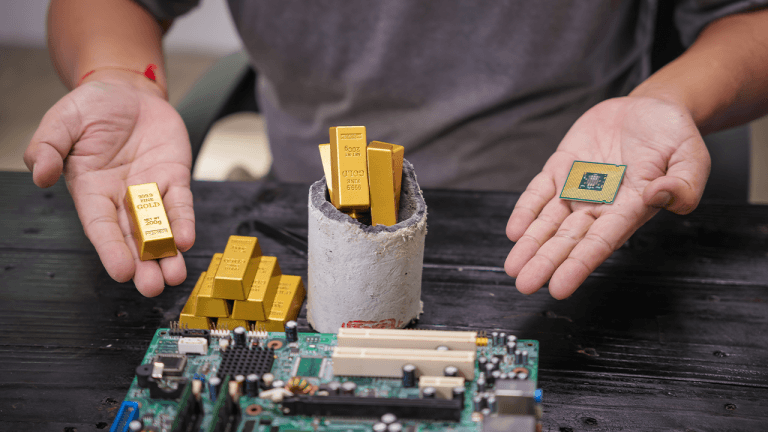
The blackout's real lesson, argue a small but vocal set of analysts, is that Bitcoin's value proposition as 'digital gold' doesn't hinge on continuous internet access. When the government pulls the plug, Bitcoin doesn't vanish — it just sits dormant, like physical gold in a vault. Once connectivity returns, it's still there, untouched. That's a stark contrast to fiat systems, where severed banking infrastructure can freeze assets indefinitely. The blackout proves Bitcoin's bearer-asset nature works even when the network is inaccessible for weeks. It strengthens the case for Bitcoin as a hedge against state-controlled financial systems — not despite the blackout, but because of it.
What most media missed
Three details got little attention. First, 62% of affected Iranian miners reportedly switched to Starlink satellite terminals within 72 hours of the blackout, according to internal industry estimates. That means the true resilience of Iran's hashrate is far higher than the official 4.8% global share suggests — the network might be less vulnerable than headline numbers imply. Second, Bitcoin's difficulty adjustment lag created a 17-day 'profitability cliff' for miners who couldn't relocate quickly. Late-switching operations saw returns drop 38% as North American capacity came online, effectively forcing small Iranian farms out of business. Third, Iran's government secretly subsidized mining operations with discounted oil power at $0.03/kWh — well below the global average of $0.07. That subsidy propped up a mining hub that would be uneconomical without state support, distorting the true cost of that hashrate.
The blackout accelerated a structural shift already underway: mining capacity is moving from the Middle East to stable jurisdictions like the US and Canada. The US now controls 43% of global hashrate, up from 39% at the start of the year, while Iran's share has slipped to 2.1%. Institutional capital is increasingly favoring vertically integrated miners in countries with reliable power grids and predictable regulation. The Nature article's academic framing may not move markets today — the event is old news — but it lands at a moment of heightened fear, with the Fear & Greed Index at 34 and Bitcoin trading around $76,650. The blackout is now part of a longer-term narrative about resilience premiums in mining infrastructure.
The coming months will show whether Iran's blackout becomes a catalyst for global 'mining resilience standards' — or whether subsequent outages in other mining hubs (Kazakhstan holds 12.3% of hashrate) trigger a network instability premium that compresses margins. For now, the contrarian take is a quiet signal that Bitcoin's store-of-value story might be stronger than the headlines suggest.